Charles Dickens: Biography and Main Works by Sanoma Italia
Slides from Sanoma Italia about Charles Dickens. The Pdf provides an overview of the author's life and principal works, including "Sketches by Boz", "Oliver Twist", and "Great Expectations". This material is suitable for high school Literature students, offering a clear summary of key themes and characteristics.
See more32 Pages

Unlock the full PDF for free
Sign up to get full access to the document and start transforming it with AI.
Preview
Charles Dickens: An Overview
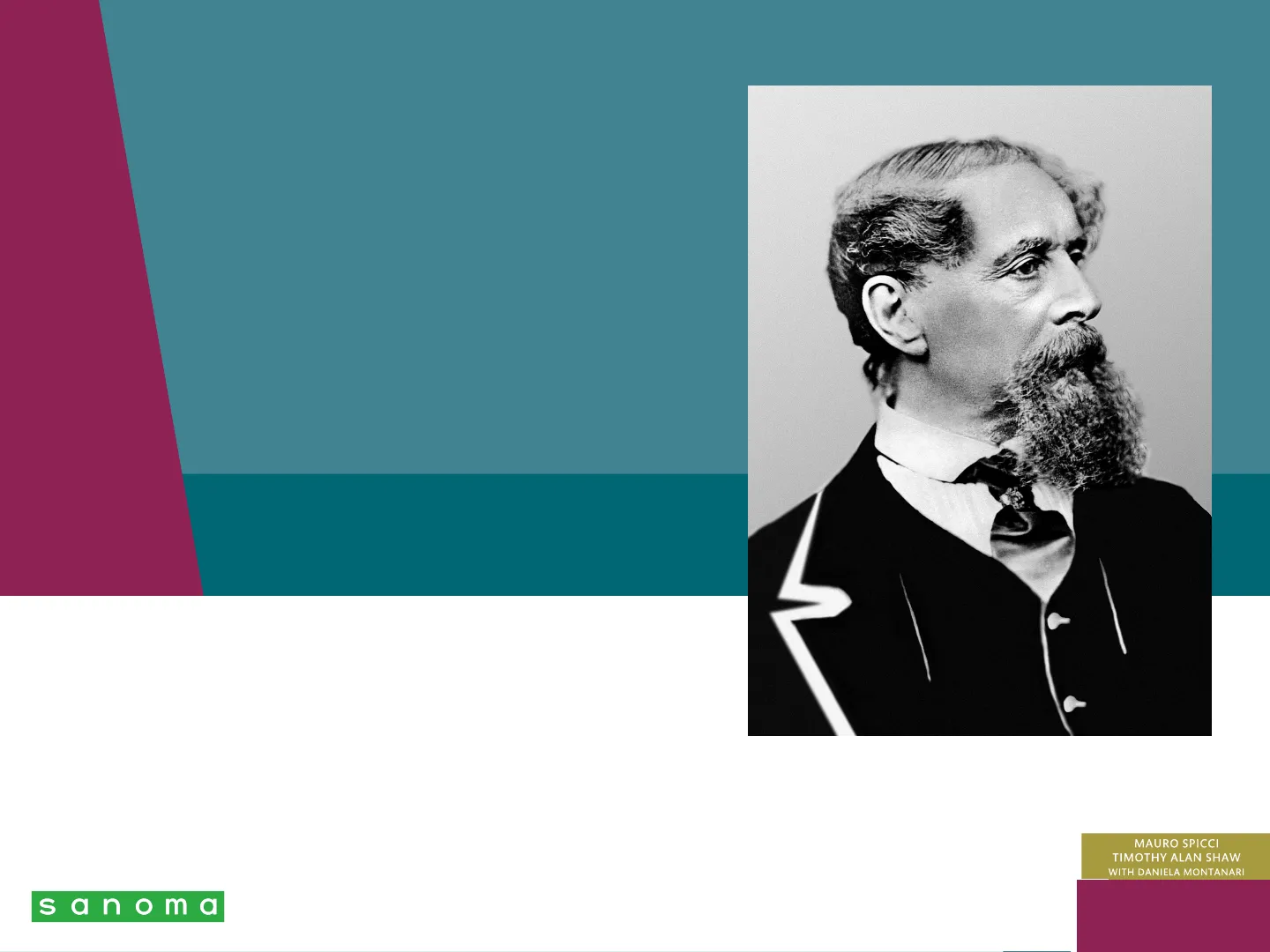
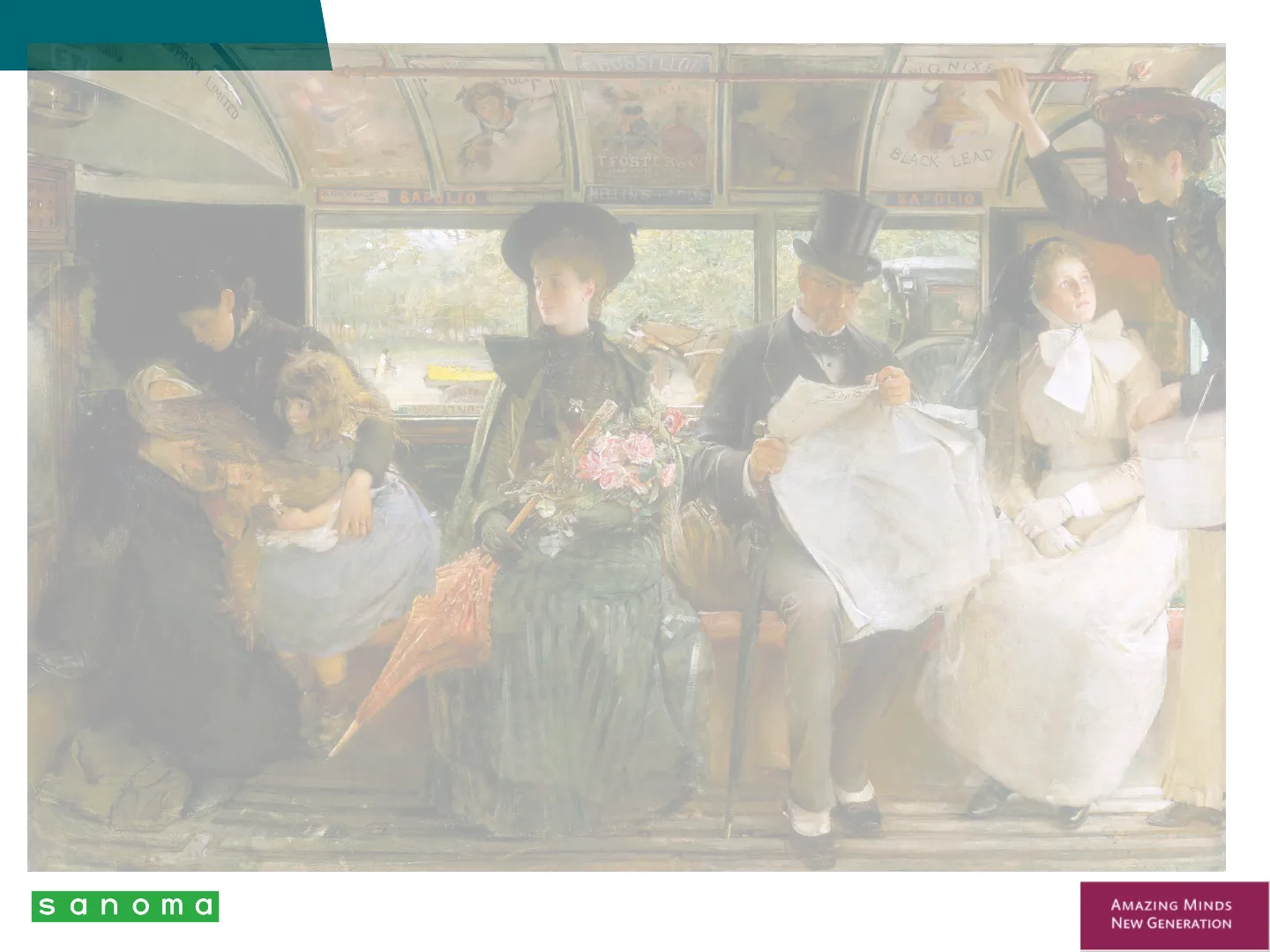
Charles Dickens (1812-1870) sanoma MAURO SPICCI TIMOTHY ALAN SHAW WITH DANIELA MONTANARI AMAZING MINDS NEW GENERATION C Sanoma ItaliaCHARLES DICKENS LIMITED T.FOSTER& Co 45 CHEARSIDE NIDON BECAUSETHE HOUSEWIFE MON LUS SAPOLIO THE POT COME TITE KELL BLACK MELLIN'S I SAPOLIO "It was the best of times, it was the worst of times, it was the age of wisdom, it was the age of foolishness, it was the epoch of belief, it was the epoch of incredulity" sanoma AMAZING MINDS NEW GENERATION NG. NIXE BLACK LEADCHARLES DICKENS
Charles Dickens: An Amazing Mind (1)
Why Charles Dickens is an Amazing Mind
- He created a unique style called 'Dickensian'. 'reminiscent of the novels by Dickens, especially in suggesting the poor social conditions or comically repulsive characters that they portray'
- Dickens was one of the first novelists to use writing as a tool for social criticism.
- He had a strong influence on the development of English language: he spread new words and promoted the use of slang expressions. sanoma AMAZING MINDS NEW GENERATIONCHARLES DICKENS
Charles Dickens: An Amazing Mind (2)
Dickens' Popularity and Character Types
- Dickens' plots have become very popular among filmmakers: Dickens' novels are often defined as 'cinematic' because of their episodic narrative structure.
- His characters have become synonyms for character types: ➢ Scrooge ( A Christmas Carol) = the miser sanom AMAZING MINDS NEW GENERATIONCHARLES DICKENS
Charles Dickens: Life (1)
Early Life and Career
- 1812 - He was born in Portsmouth.
- He had a short formal education.
- When he was a child, he was forced to work ten hours a day in a factory after his father was imprisoned because of his debts.
- He started a career as a journalist using the pseudonym 'Boz'.
- 1883 - He became a parliamentary reporter for The Morning Chronicle. sanoma AMAZING MINDS NEW GENERATIONCHARLES DICKENS
Charles Dickens: Life (2)
Later Life and Family
- He became a professional writer and published an incredible number of books often based on autobiographical experiences.
- He travelled to America and to Italy.
- He and his wife had ten children.
- He died in 1870. sanoma AMAZING MINDS NEW GENERATIONCHARLES DICKENS
Charles Dickens: Main Works (1)
Sketches by Boz and Pickwick Papers
- Sketches by Boz (1833-36)
- collection of short articles;
- description of the city of London.
- Pickwick Papers (1836-7)
- series of tales focused on the adventures of Mr Pickwick;
- typical example of Dickens' humour;
- exploration of England through the eyes of a group of eccentric people. - ~ Phis fel -
- Oliver Twist (1837-9)
- one of Dickens' most famous works;
- story of an orphaned boy;
- social criticism (exploitation of children; cruelty of workhouses). sanoma AMAZING MINDS NEW GENERATIONCHARLES DICKENS
Charles Dickens: Main Works (2)
A Christmas Carol and David Copperfield
- A Christmas Carol (1843)
- ghostly story of the conversion of a miser to the spirit of Christmas;
- moral tale describing the importance of redemption and kindness.
- Dombey and Son (1846)
- attack against the greed for money and power.
- David Copperfield (1849-50)
- focuses on the growth of the protagonist from childhood to adulthood ('coming-of-age' novel);
- representation of the complexity of childhood. sanoma AMAZING MINDS NEW GENERATIONCHARLES DICKENS
Charles Dickens: Main Works (3)
Bleak House, Hard Times, and Great Expectations
- Bleak House (1852-3)
- tire of English justice. -
- Hard Times (1854)
- bearing on education;
- description of the effects of the Industrial revolution.
- Great Expectations (1860)
- coming-of-age novel;
- influence of wealth on a man's moral status. AMAZING MINDS NEW GENERATION sanomaCHARLES DICKENS
Charles Dickens: Novels
Characteristics of Dickens' Novels
- Have inventive plots and many parallel stories.
- Are characterised by improbable coincidences, surprises and mystery.
- Are often set in urban environments.
- Have melodramatic tones.
- Often have a large number of characters. Peter Hugh Tilda Ben Dev PATEL CAPALDI LAURIE SWINTON WHISHAW PF. The PERSONAL HISTORY OFT HE BITES DAVID COPPERFIELD An ARMANDO IANNUCCI Film SEARCHLIGHT PICTURES PRETENDS FLMINATION ENTERTAINMENT & FILMA PRESENTE W ASSOCIATION WITH WISHVORE ENTE NDO IANMUCH FEN DEN PA COPPERFIELIT ANEURIN BARNARD PETER CAPALDI MORFITO CLARK DAISY NAY COOPER ROSALINO ELEAZAR HUGH LARFIE TILDA SWINTON BEN WHISHAW PAUL WHITEHOUSE " SARAH CROWE ", CHRISTOPHER WILS " BLOUSE SEYMOUR AREN HARTLEY-THOMAS SHY SOLIE FARMIAN ROBERT WOFLEY HOCHSINA CASALI GNE MOCK AUOSTEY PETER LAMBERT -MEANS ZAC NICHOLSON BSE - CELIA DUVAL ABREM DANIEL BATTSEK DELE MADCEN SIMON BLACKWELL BEN BROWNING GLEN BASNER CHRISTOS V. KONSTANTAKOPOULOS KEVIN LOADER ARMANDO IANNICHT "DRIE CHARLES DICKENS COMING SOON THEY AFINANDO IANNUCCI SIMON BLACK WELL " ARNATODO IANNUCCI VERGARA sanoma AMAZING MINDS NEW GENERATIONCHARLES DICKENS
Charles Dickens: Characters
Memorable Characters and Social Classes
- Caricatures embodying particular vices or virtues.
- Memorable characters:
- characterised by some peculiarity of speech, physical appearance or gesture;
- often caught in comic or grotesque situations.
- Belonging to all social classes
- Dickens sided mainly with the poor and the marginalised;
- upper-class and aristocratic characters: tend to fall into stereotypes. MIT sanoma AMAZING MINDS NEW GENERATIONCHARLES DICKENS
Charles Dickens: Plots
Episodic Nature and Suspense
- Many of Dickens' works were originally published in
INSTALMENTS:
- they became books only later
- episodic nature
- succession of moments of great tension the reader's attention is always kept high
- dramatic turn of events suspense in the reader
- abundance of climaxes
- improbable coincidences AMAZING MINDS NEW GENERATION sanomaCHARLES DICKENS
Charles Dickens: Social Criticism
Industrial Revolution and Social Evils
SOCIAL CRITICISM Many of Dickens' novels focus on SOCIAL CRITICISM:
- critical analysis of the effects of the Industrial Revolution;
- denunciation of the working conditions of the poor;
- description of the moral consequences of uncontrolled economic growth.
Dickens' aim:
- to denounce the social evils of the time;
- to make his readers aware of them. sanoma AMAZING MINDS NEW GENERATIONCHARLES DICKENS
Charles Dickens: Setting
Urban Environment and Main Cities
URBAN ENVIRONMENT Dickens' novels = often depict urban characters
- lawyers;
- industrialists;
- tradesmen;
- shopkeepers.
Main cities represented
- London foggy town; poorly lit; dirty; abounding in criminals and pickpockets.
- Coketown (imaginary town) sanoma AMAZING MINDS NEW GENERATIONCHARLES DICKENS
Oliver Twist
Oliver Twist or The Parish Boy's Progress (1837-1839) sanoma AMAZING MINDS NEW GENERATIONCHARLES DICKENS
Oliver Twist (1)
Plot Summary
PLOT
- Oliver Twist: poor orphan born in a workhouse.
- After asking for more food, he is sent away to work.
- Oliver goes to London, where he becomes part of a gang of thieves.
- Mrs Maylie helps Oliver get out of the gang and recover.
- Oliver discovers he is the son of a very wealthy man. Happy ending: Oliver is adopted and lives a peaceful life in the countryside. sanoma AMAZING MINDS NEW GENERATIONCHARLES DICKENS
Oliver Twist (2)
Main Themes
MAIN THEMES Dickens criticises the BAD LIVING CONDITIONS in which the poor are forced to live under the Poor Law of 1934.
- Poor Law public charity was to be administered through workhouses
- Workhouses terrible living conditions
Denunciation of VICTORIAN MORALITY and prejudices against poverty
- Poverty often seen as a sin
HYPOCRISY of the middle-class Representation of the growth of a child through difficult moments ('BILDUNGSROMAN') sanoma AMAZING MINDS NEW GENERATIONCHARLES DICKENS
Oliver Twist (3)
Wealth and Poverty
A reflection on WEALTH and POVERTY Dickens' novel = explores the impact of uncontrolled economic growth on the rich and the poor: GREED and desire for WEALTH
- more dangerous than poverty;
- can dehumanise people;
- reduce people's sympathy towards others.
POVERTY
- does not necessarily exclude the possibility of having a decent life;
- is not necessarily dangerous. sanoma AMAZING MINDS NEW GENERATIONCHARLES DICKENS
Oliver Twist (4)
Oliver's Character
OLIVER
- has a pure heart;
- has a determined spirit;
- is rewarded in the end thanks to his moral integrity;
- is the object of the love and true charity of good-hearted people who look after him. sanoma AMAZING MINDS NEW GENERATIONStudy from page 63 to 73 and create a concept map Let's read together page "Want some more" from Oliver Twist and let's analyze it togetherCHARLES DICKENS
Hard Times
Hard Times (1854) sanoma AMAZING MINDS NEW GENERATIONCHARLES DICKENS
Hard Times (1)
Plot Introduction
PLOT
- The novel is set in the fictional city of Coketown.
- Thomas Gradgrind is an advocate of Utilitarianism. arge brunschanke
- He has founded a school in which the entire curriculum is based on 'hard facts' and there is no space for imagination or joy.
- Gradgrind wants his daughter to marry a rich, old factory owner. sanoma AMAZING MINDS NEW GENERATIONCHARLES DICKENS
Hard Times (2)
Plot Development
- The marriage is extremely unhappy and Gradgrind's daughter goes back to her family.
- Also Tom, Gradgrind's son, has a very unhappy life and becomes a thief.
- In the end Gradgrind understands that his narrow- mindedness has had a very negative impact on the life of his children and devotes himself to helping the poor. sanoma AMAZING MINDS NEW GENERATIONCHARLES DICKENS
Hard Times (3)
Main Themes
MAIN THEMES Sharp CRITICISM of the EVILS of VICTORIAN ENGLAND, such as:
- the hardships of the working class;
- the contrast between the rich and the poor.
Attack on UTILITARIANISM:
- materialistic philosophy that excluded imagination from education;
- in Utilitarian schools students are: treated like numbers; forced into conformity; discouraged from expressing their own personalities. sanoma AMAZING MINDS NEW GENERATIONCHARLES DICKENS
Hard Times (4)
Schools and Education
For Dickens schools and education are the two main instruments to allow the poor to:
- have a decent life;
- protect them from ignorance and degradation.
In Hard Times Dickens represents what 'bad schools' look like: BAD SCHOOLS badly run dominated by the dry principles that control progress are instruments of slavery and dehumanisation places of coercition and subjugation sanoma AMAZING MINDS NEW GENERATIONCHARLES DICKENS
Hard Times (4) - Main Character
Mr. Gradgrind
MR GRADGRIND Mr Gradgrind is the main male figure of the novel. He:
- perceives himself as a social reformer and strongly believes in the principles of Utilitarianism;
- has founded a school in which students are taught only 'facts';
- promotes a form of education in which students are deprived of their identity and dreams;
- is one of the instruments Dickens uses to convey his social criticism. Mr. Gradgrind (Hard Times) sanoma AMAZING MINDS NEW GENERATION
Can’t find what you’re looking for?
Explore more topics in the Algor library or create your own materials with AI.
