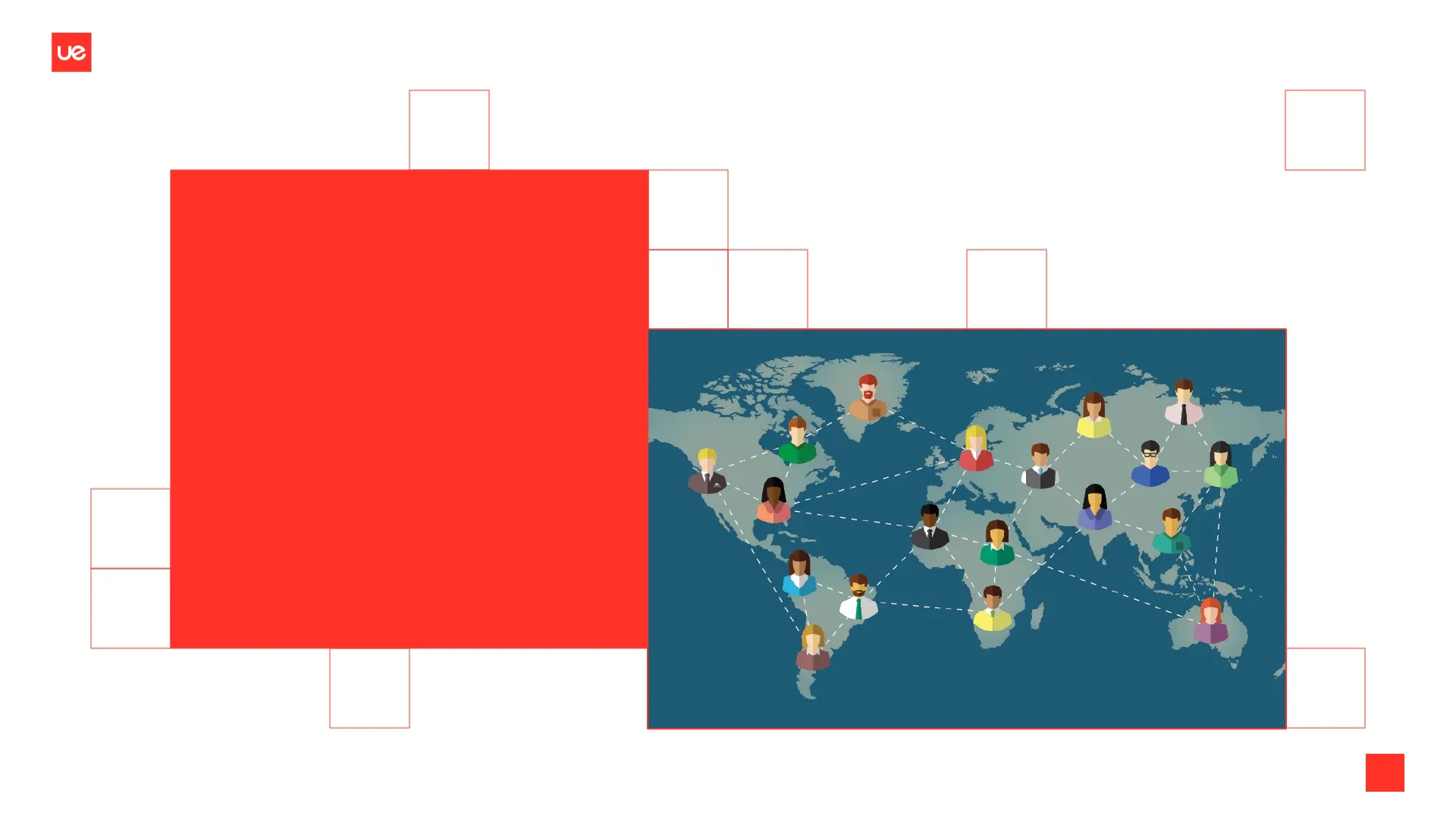
Foreign Policy and Diplomacy: The Role of Religion in Global Politics
Slides from Universidad Europea about Foreign Policy and Diplomacy. The Pdf explores the role of religion in global politics, discussing concepts like religious authority and Gramsci's cultural hegemony. This University level Law document includes case studies on figures like Pope John Paul II and the Dalai Lama, illustrating their influence on international events.
See more12 Pages

Unlock the full PDF for free
Sign up to get full access to the document and start transforming it with AI.
Preview
Faith, Power, and Perception: Religious Authority in Global Politics
ue
Foreign Policy
and Diplomacy
Prof. Dr. Daniel Pedersoli
@ Copyright Universidad Europea. Todos los derechos reservados
1Ue
Faith, Power, and Perception: Religious Authority in Global Politics
Friday, 25th April 2025
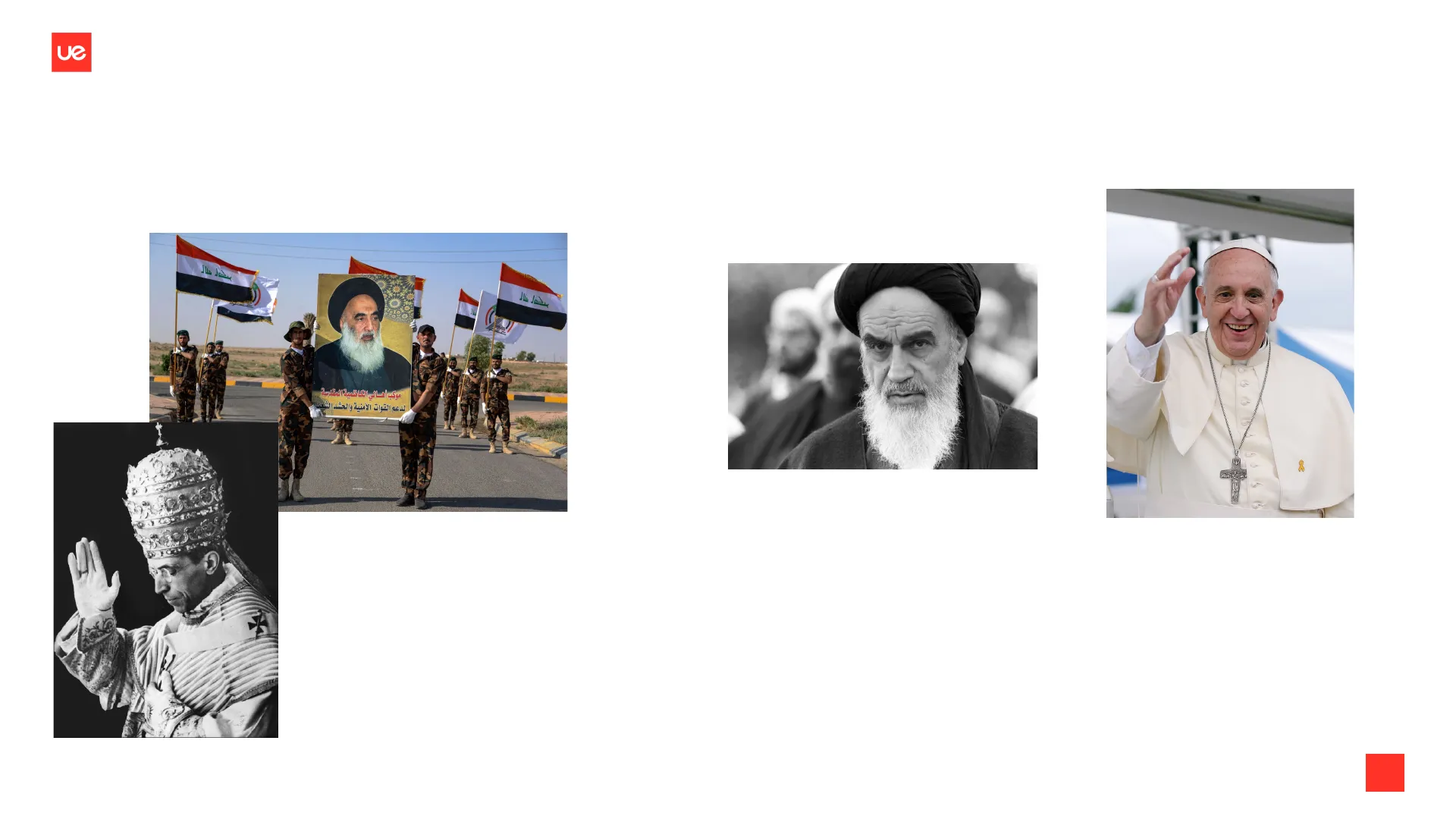
موكب أهالي الكاظمية المقدسة
لدعم القوات الأمنية والحشد الشعبـ
"What happens to the world order when a globally significant
religious leader dies?"
A class on non-material forms of power in international politics.
Legitimacy, continuity, moral capital, and global identity structures.
Theoretical Grounding - Bourdieu's Symbolic Power
Power Through Recognition and Internalised Legitimacy
@ Copyright Universidad Europea. Todos los derechos reservados
2Ue
Theoretical grounding - Bourdieu's symbolic power
· Power not through force, but through recognition and internalised legitimacy.
"Symbolic power is a power of constituting the given through utterances, of making people see and
believe, of confirming or transforming the vision of the world."
- Bourdieu, "Language and Symbolic Power"
"The most successful forms of domination are those which have no need for justification."
- Bourdieu, "Outline of a Theory of Practice"
· Symbolic capital: accumulated prestige, moral authority, religious charisma.
Religious Actors and Global Moral Debates
@ Copyright Universidad Europea. Todos los derechos reservados
3Ue
Theoretical grounding - Bourdieu's symbolic power
. Religious actors like the Pope or the Dalai Lama wield symbolic power by being
seen as legitimate speakers in global moral debates (e.g., migration, climate).
"The power to name, to define the world and legitimate categories of thought."
· Application: The Pope doesn't command armies - but he redefines what
matters globally.
Theoretical Grounding - Gramsci's Cultural Hegemony
Shaping Consensus and Common Sense
@ Copyright Universidad Europea. Todos los derechos reservados
4Ue
Theoretical grounding - Gramsci's cultural hegemony
.Power operates by shaping the consensus and common sense of society.
"The supremacy of a social group manifests itself in two ways, as 'domination' and as
'intellectual and moral leadership.""
- Gramsci, Prison Notebooks
.Religion becomes a vehicle for hegemonic values - or a tool for resistance.
"Every relationship of 'hegemony' is necessarily an educational relationship."
- Gramsci, Prison Notebooks
Religious Leaders and Hegemony
@ Copyright Universidad Europea. Todos los derechos reservados
5Ue
Theoretical grounding - Gramsci's cultural hegemony
·Religious leaders can either sustain hegemony (legitimising regimes) or challenge
it (liberation theology, Solidarity in Poland).
.The Vatican as a site where competing hegemonies (capitalism, socialism, indigenous
rights, global South values) intersect.
Application: The Church isn't just a moral guide - it's an arena of ideological struggle.
Case Studies - Religion as Diplomacy and Intervention
Pope John Paul II and the Fall of Communism
@ Copyright Universidad Europea. Todos los derechos reservados
6ue
Case Studies - Religion as Diplomacy and Intervention
- Pope John Paul II and the fall of communism
· Strategic visits to Poland: spiritual resistance to Soviet rule.
. Backed the Solidarity movement, partnered with Reagan.
. Used mass gatherings and symbolism to signal
non-violent power.
ant VICTORIA
Pope Francis and US-Cuba Rapprochement
- Pope Francis and the US-Cuba Rapprochement
· Brokered secret meetings between Obama and Castro.
. Letter-writing diplomacy: moral framing of reconciliation.
. The Vatican positioned as a trusted, ideologically neutral actor.
Grand Ayatollah Ali al-Sistani in Post-Invasion Iraq
@ Copyright Universidad Europea. Todos los derechos reservados
7ue
Case Studies - Religion as Diplomacy and Intervention
- Grand Ayatollah Ali al-Sistani in post-invasion Iraq
· Urged peaceful elections and prevented sectarian civil war (2005).
· Challenged both US occupation and militia radicalism.
. Held more legitimacy than any Iraqi political figure or foreign actor.
Dalai Lama and the Tibetan Sovereignty Question
- Dalai Lama and the Tibetan sovereignty question
· Advocates non-violence; elevates Tibet as a global human rights cause.
· Chinese state sees him as a geopolitical threat.
. Stateless leader with global audiences and diplomatic reach.
Evangelical Networks in US Foreign Policy
@ Copyright Universidad Europea. Todos los derechos reservados
8ue
Case Studies - Religion as Diplomacy and Intervention
- Evangelical networks in US foreign policy
· Influence on US aid policy, especially on abortion and Israel.
. Transnational lobbying (Bolsonaro supporters in Brazil).
. Soft power through mass mobilisation and ideological alignment.
Catholic Mediation in Latin America
- Catholic mediation in Latin America
. The Vatican mediated the Beagle Channel Crisis (1978) between Chile and
Argentina.
. Avoided war by appealing to shared Catholic identity and papal authority.
. Holy See acted as a "moral superpower" beyond the UN or OAS.
Theoretical Analysis - Power as Perception
Perceived Authority as Real Authority
@ Copyright Universidad Europea. Todos los derechos reservados
9Ue
Theoretical analysis - power as perception
. In IR, power is often treated as material (military, economic). But religious actors
remind us: perceived authority is real authority.
Example: al-Sistani holds no formal office, but his perceived legitimacy made him central to Iraq's
political transition.
. Constructivist IR: identities, roles, and legitimacy are not objective - they're
socially constructed.
· Perception-based power: when actors accept your moral claim to speak.
· This echoes both symbolic power (Bourdieu) and hegemonic power (Gramsci).
Perception and Diplomatic Weight
@ Copyright Universidad Europea. Todos los derechos reservados
10Ue
Theoretical analysis - power as perception
. Can you think of cases where perception alone created diplomatic
weight? (e.g. Mussolini and the creation of the Vatican state)
· What happens when legitimacy fractures within a religious institution
(e.g., rival popes, Sunni vs. Shi'a)?
. How is "perception management" part of religious diplomacy?
Religion as Postmodern Power
Shaping Meaning and Reality
@ Copyright Universidad Europea. Todos los derechos reservados
11Ue
Religion as postmodern power
"Religious power is not pre-modern - it is postmodern: it shapes meaning."of religious
diplomacy? (José Casanova)
· Postmodern power doesn't just control territory or resources - it
defines what reality is.
· Religion contributes to global meaning-making: who is human? What
is justice? What is peace?
. This is why the Vatican, the Dalai Lama, and al-Sistani still matter
politically: they define moral parameters within which politics unfolds.
"The deprivatisation of religion means that religion becomes a public actor, not by rejecting
modernity, but by redefining it." (José Casanova, in: Public Religions in the Modern World)
12
Can’t find what you’re looking for?
Explore more topics in the Algor library or create your own materials with AI.
