Circulatory System: Fundamental Facts and Components of Blood
Slides about Circulatory System Blood. The Pdf, a presentation for high school Biology students, covers fundamental facts about blood, including its pH and volume, and describes the formed elements like red and white blood cells, and platelets, along with their functions.
See more27 Pages


Unlock the full PDF for free
Sign up to get full access to the document and start transforming it with AI.
Preview
Blood Facts
- The pH of blood is between 7.35 - 7.45
- There is about 5L of blood in the average adult human.
- Blood comprises 8% of the body mass of an person.
- Blood functions to carry O2 and nutrients TO the body cells and CO, and wastes AWAY from the cells.
245% of blood is Formed Elements (cells) 55% of the blood is Plasma.
Plasma 55% White blood cells and platelets Platelet Red blood cell White blood cell Red blood cells -45% Hemoglobin (in RBC) www.visiblebody.com
Plasma Composition
- 90-92% water
- 7-8% plasma proteins
- CO and O 2 2
- Nutrients: fatty acids, amino acids, glucose
- Salts
- Hormones
- Vitamins
- NH2 (ammonia) and urea
- Heat!
Plasma Proteins Functions
Functions include;
- carrying molecules like cholesterol
- maintaining the viscosity of the blood
- maintaining blood volume by regulating osmotic pressure.
Examples of Plasma Proteins
- Albumin: transports bilirubin/maintains osmotic pressure
- Fibrinogen: blood clotting
- Globulins: form lipoproteins that transport cholesterol/ immunoglobulins
Formed Elements of Blood
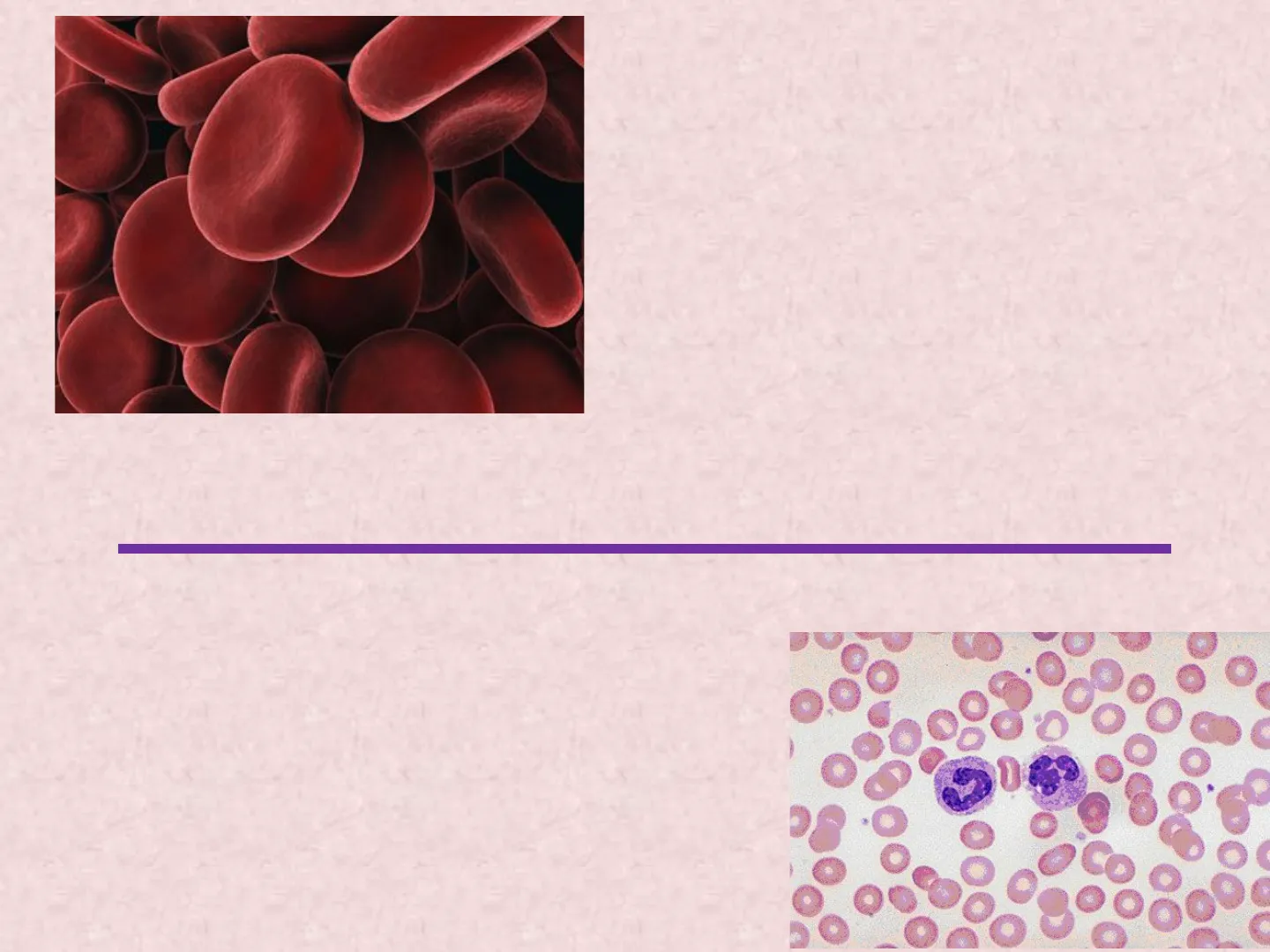
- Red blood cells - Erythrocytes
- Carry oxygen
- White blood cells - Leukocytes
- Fight infection
- Platelets - Thrombocytes
- Blood clotting
Blood, Part 1 - True Blood: Crash Course A&P #29
BLOOD part 1 29 TRUE BLOODBlood Types
Antigens and Antibodies
All cells in the body have antigens, which are protein markers that make a cell distinctly unique. There are two types of antigens associated with Red Blood CELLS:
- A antigen
- B antigen
In addition, the PLASMA of a person's blood may contain antibodies against some antigens.
- Red blood cells may or may not possess antigens.
- The plasma of a person's blood may or may not possess antibodies against those antigens.
- Antibodies are there to attack blood cells that are foreign to the body.
Blood Type Antigens and Antibodies
Blood Type Antigen Antibody A A anti-B antibodies B B anti-A antibodies AB A & B None O none anti-A antibodies & anti-B antibodies
Blood Transfusions
- DONOR antigens (on the Red Blood Cells) must be compatible with RECIPIENT antibodies (in the plasma).
- If incompatible blood types are used, then the same antigen and antibody will clump together.
- Agglutination (clumping of erythrocytes) interferes with the flow of blood, and also leads to hemolysis (destruction) of the red blood cells.
Transfusion Compatibility
Universal Donor and Recipient
Universal Donor is Type O
- No antigens on its red blood cells
- Therefore the antibodies in the recipient's plasma have nothing to react with.
Universal Recipient is Type AB
- NO antibodies in its plasma to react with any donor antigens.
Rh Factor
- Red blood cells also have another antigen marker called the Rhesus (Rh) factor.
- If red blood cells have the Rh factor, the blood is Rh positive (Rh+).
- 85% of the population is Rh+.
- If the red blood cells do NOT have the Rh factor, the blood is Rh negative (Rh-).
- Technically the Universal Donor is O- blood as it has no antigens of any kind!
Donuts and Sprinkles: ABO and Rh Blood Types
A A 8 1 1 8 A 8 r 8 B Type B ABO Phenotypes A A 8 B JAB 8 B Type O Type A
4 8Test yourself and see if you are correct using the table on the next slide ...
Blood Transfusion Compatibility Table
Donor Blood Type Recipient Blood Type Yes or No A A (anti-B antibodies) yes A B (anti-A antibodies) no A AB (no antibodies) yes A O (anti-A & anti-B) no B A (anti-B) no B B (anti-A) yes B AB (no antibodies) yes B O (anti-A, anti-B) no AB A (anti-B) no AB B (anti-A) no AB AB (no antibodies) yes AB O (anti-A, anti-B) no O A (anti-B) yes O B (anti-A) yes O AB (no antibodies) yes O O (anti-A, anti-B) yes
Fetal Erythroblastosis
- A condition in which the antibodies of an Rh- mother destroy the Rh+ erythrocytes of her fetus.
- Develops when the Rh- mother and her Rh+ husband have an Rh+ child.
Fetal Erthythroblastosis Diagram
Rh- mother Placenta Anti-Rh antibodies First Rh+ fetus YY Second Rh+ fetus C Y Rh+ antigens (a) First pregnancy (b) Between pregnancies (c) Second pregnancy
What Happens in Fetal Erythroblastosis
- When an Rh- mother is carrying an Rh+ fetus, some of the red blood cells of the fetus may leak into the maternal circulation as the placenta breaks down before (and during) childbirth.
- After the Rh+ positive blood enters the maternal circulation, the mother's blood produces anti-Rh antibodies.
- The first child is fine because the baby is born before the mother's antibodies can attack.
- The problem comes if the mother carries a second Rh+ fetus.
- If a 2nd Rh+ fetus is carried by the Rh- mother, her anti-Rh antibodies will cross the placenta and attack the Rh+ erythrocytes of the fetus.
- This causes the blood cells of the fetus to agglutinate and will result in Haemolytic Disease of the Newborn.
Haemolytic Disease of the Newborn
- As the red blood cells of the fetus are destroyed by the antibodies, excess bilirubin becomes present in the blood (due to the breakdown of the hemoglobin by the liver).
- Excess bilirubin in the blood causes brain damage, mental retardation and eventual death.
Rh- Mother Treatment
So what can an Rh- mother do?
- Rh- women are given a injection of Rh immune globulin (RhoGam) within 72 hours after the birth of an Rh+ child. OR
- The RhoGam injection may be given midway through the pregnancy.
- The injection has Rh- antibodies which attack the fetal Rh+ erythrocytes before they can stimulate the maternal cells to produce their own anti-Rh antibodies (suppress mother's immune response)
Hemolytic Disease of the Newborn Medical Media
Mother's Immune Cell of the Newborn A B AB 0 Bh: Rh Alila MEDICAL MEDIAHaemophilia
Haemophilia
- Inherited clotting disorder in which bleeding into joints, muscles and the brain occurs after minor injury.
- Hemophiliacs have a deficit of coagulation factors due to a mutated gene.
Wound Coagulation factors Clotted wound Thrombocytes Normal coagulation Hemophillia Without coagulation factors Wound doesn't clot
Symptoms of Hemophilia
The most common symptoms of Hemophilia are : Hemophiliacs don't bleed faster, but they bleed for a LONGER period of time. Bruising Nosebleeds Bleeding into joints Prolonged bleeding from cuts or injuries Bleeding of the mouth and gums Blood in the urine or stool DELVEINSIGHT
Type A Haemophilia Genetics
Type A Haemophilia is a mutation carried on the X chromosome. Females possible genotypes: Only females can be carriers of the disease without having it. TH XHXH - is healthy XHxh ch - is healthy but carries the allele for hemophilia h xhxh h - has hemophilia Males possible genotypes: Type A Haemophilia is more common in males, since they only need one copy of the mutated gene to have the disease. XHY xhY h - is healthy - has hemophilia
The Royal Disease
THE ROYAL DISEASE - -- --- - --- ------- - -- - - -- 1 - --- ---
Can’t find what you’re looking for?
Explore more topics in the Algor library or create your own materials with AI.
