Living Things: Characteristics of Organisms and Atom Structure
Slides about Living Things. The Pdf, a presentation, introduces fundamental biology concepts, focusing on living organisms and atom structure. It is suitable for high school students studying Biology, offering clear definitions and basic concepts for self-study.
See more17 Pages
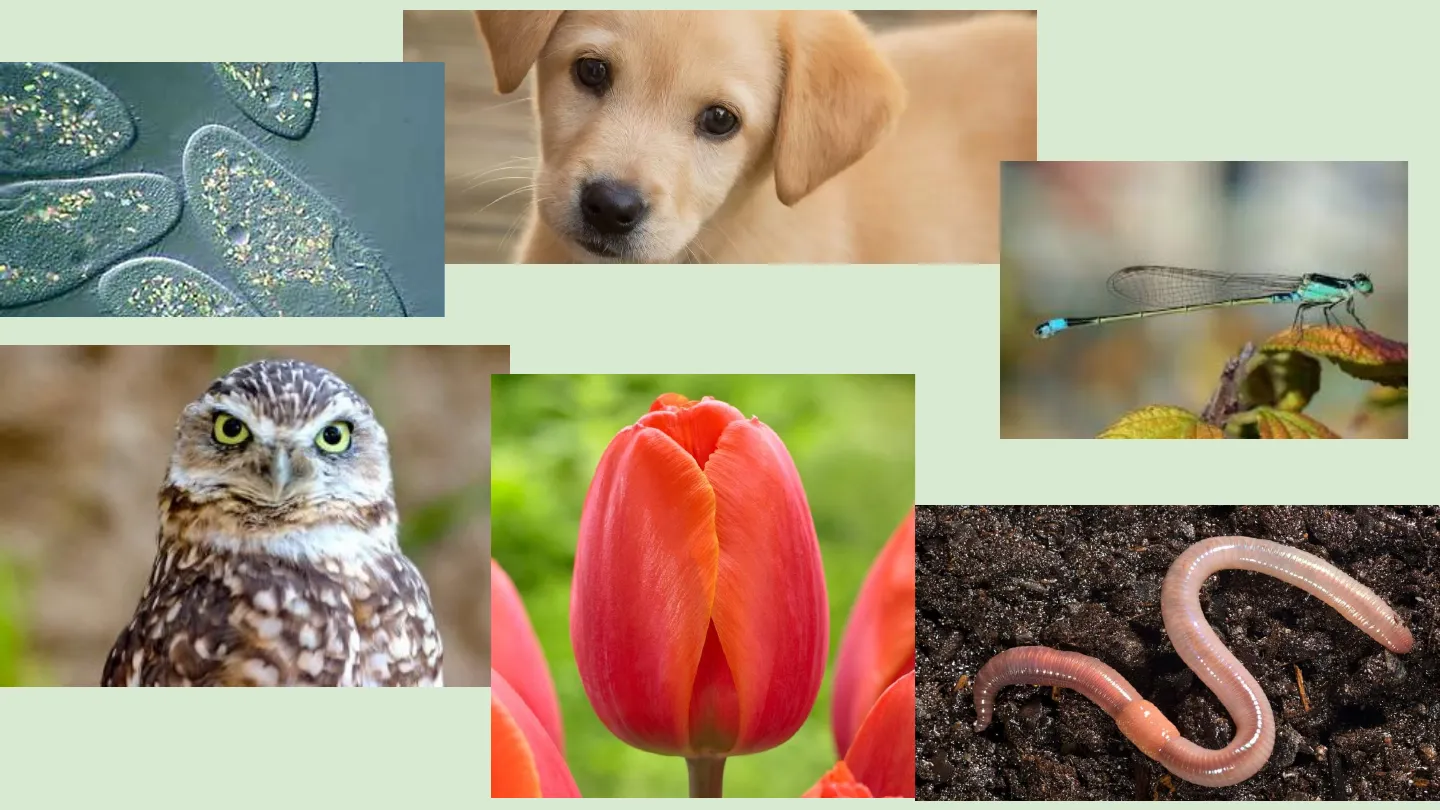

Unlock the full PDF for free
Sign up to get full access to the document and start transforming it with AI.
Preview
Living Things: Basic Units and Structures
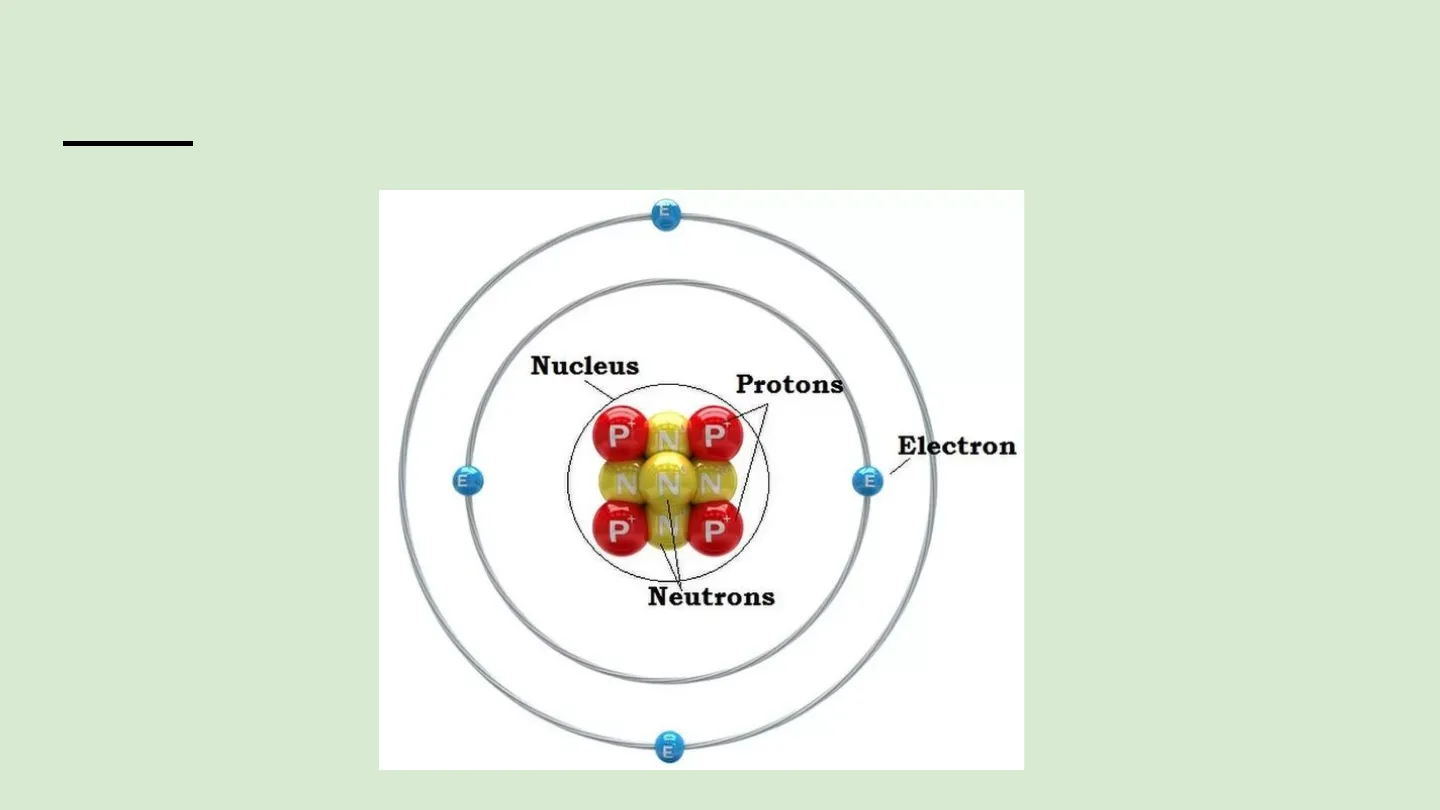
LIVING THINGSAtom: smallest unit of an element E Nucleus Protons P IN P Electron E NNN E P P NeutronsMolecule: union of two or more atoms Water molecule hydrogen hydrogen oxygenCell: structural and functional unit of all living things a a a a a alamy alamy a a a a a a a o CE8PE7 www.alamy.com a alamy alamyTissue: a group of cells that form a structure 0 shutterstock Intercalated discs Nucleus Cardiac or striated involuntary muscle tissue. adipose cells nuclei cytoplasmic membraneOrgan: a structure made of several tissues that function together to perform a specific taskOrgan System: several organs working together to perform a function in the body Esophagus Stomach Large intestine Small intestineOrganism: a complex individual made of organ systems
Characteristics of Organisms
Organisms Acquire Materials and Use Energy
Characteristics of All Living Organisms1. Organisms acquire materials and use energy · Organisms acquire nutrients from consuming other organisms (heterotrophs) or from photosynthesis (autotrophs). . Food provides the nutrient molecules which give energy for all activities (movement, reproduction, synthesis of molecules).
Living Organisms Reproduce
2. Living organisms reproduce . Living organisms can only come from other living organisms. . DNA is replicated in the parent so that hereditary information is passed to the offspring. DNA polymerase DNA replication Original DNA Topoisomerase Lagging stand Okazaki fragment RNA primer Primase Helicase Parent DNA Leading stand
Living Organisms Respond to Stimuli
3. Living organisms respond to stimuli Organisms react to stimuli in their environment such as sounds, odours, chemicals.
Living Organisms Are Homeostatic
4. Living organisms are homeostatic . The internal environment of a living organism stays relatively constant. . For example, human body temperature only fluctuates a minimal amount during the day and night.
Living Organisms Grow and Develop
5. Living organisms grow and develop Living organisms grow, which means they become larger. Growth can also mean an increase in the number of cells. Living organisms also develop throughout their life, which means that the body undergoes changes, including growth, repair and ageing.
Living Organisms Adapt to Environment
6. Living organisms have the capacity to adapt . Living organisms all possess certain features that make them successful in their environment (adaptations). . Individuals that have better adaptations for a particular environment will live longer and have more offspring (Natural Selection).Which moth is likely to be more successful? The moths that "blend in" will be more likely to survive, so a higher frequency of those traits will be seen in the population. Evolution is the change in the genetic makeup of a species over time.
Can’t find what you’re looking for?
Explore more topics in the Algor library or create your own materials with AI.
