UK Political System and the British Constitution
Slides from University about UK Political System and the British Constitution. The Pdf explores key aspects of the UK political system and its constitution, covering historical events like the Magna Carta and the influence of political parties. This Law material is suitable for university students.
See more8 Pages


Unlock the full PDF for free
Sign up to get full access to the document and start transforming it with AI.
Preview
UK Political System and the British Constitution
Main Topics
- Uk Politics and History: key events
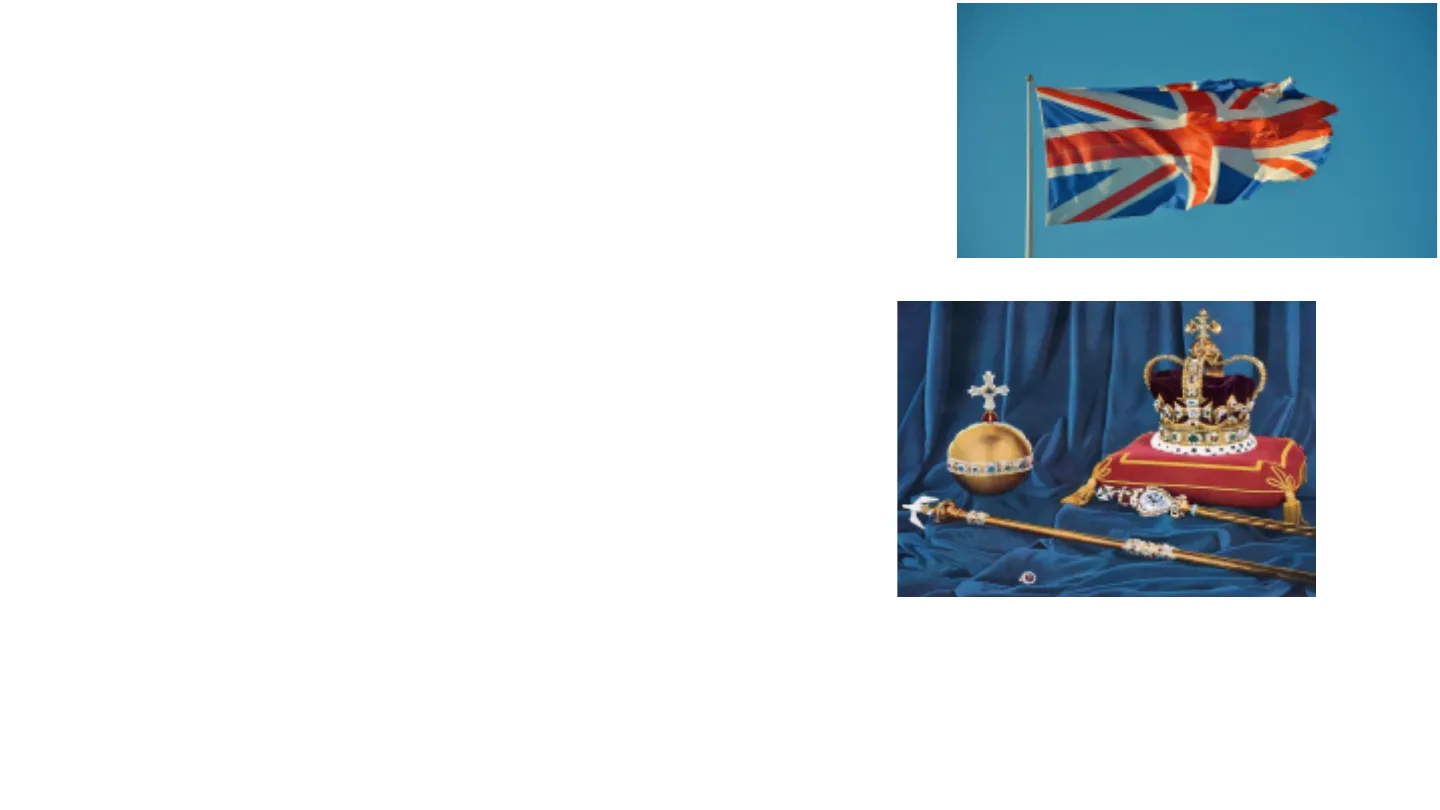
- Role of the Monarchy
- Political Parties in the UK
- The UK Constitution. to open and close Parliament
- . to officially appoint the Government
- · to declare war and to make peace
- . to sign treaties with other countriesMain historic events:
- · 1215: Magna Carta (also called "Great Charter") is signed to make peace between the unpopular king John of England and a group of rebel barons.
The impact of political parties on UK political system is considerable and powerful. In fact they shape the policy agenda, from decisions such as selecting candidates for public office to the functioning of government. Also they give voice and power to the various opinions and beliefs of people, who want to realize a more democratic country.THANK YOU
1948 NHS 2020
Uncodified Constitution
This can be explained in part by UK history as British people didn't experience a revolution or a defeat in war in the late 18th or 19th century (such as France, Italy and many other places). In other words, the UK doesn't have a constitution considered as a "corpus" of statutes, judicial decisions, and treaties. UK has an "uncodified constitution" that is harder to understand and can be easily altered by government (it means can change more frequently than many other constitutions).
Flexibility and Democracy of the UK Constitution
On the other hands, the UK's uncodified constitution can be considered as an example of flexibility and democracy because laws don't depend on decisions made by past generations. That means the future generations are able to influence this "uncodified" constitution through the representative they elect. In the UK, as we have seen, the constitution is spread over a number of documents and sources.
Common Law in the UK
The country has what's known as a "common law", meaning that judges declare the law is derived from custom and precedent. The common law originated with the legal reforms of King Henry II in the 12th century, and was called "common" because it applied equally across the whole country.
Houses of Parliament
In practice, . The House of Lords: also known as the upper house, is composed of peers, Bishops, and hereditary peers. . The House of Commons: or the lower house consists of Members of Parliament (MPs), who are elected by the public in general elections.
Can’t find what you’re looking for?
Explore more topics in the Algor library or create your own materials with AI.
