Definition of Advertising: Origins, Evolution, and Types
Slides about Definition of Advertising. The Pdf explores the concept of advertising, tracing its origins, golden age, and the advent of digital advertising. This University level material in Economics is suitable for autonomous study, providing a comprehensive overview of the sector.
See more11 Pages


Unlock the full PDF for free
Sign up to get full access to the document and start transforming it with AI.
Preview
Campaign and Brand Promotion
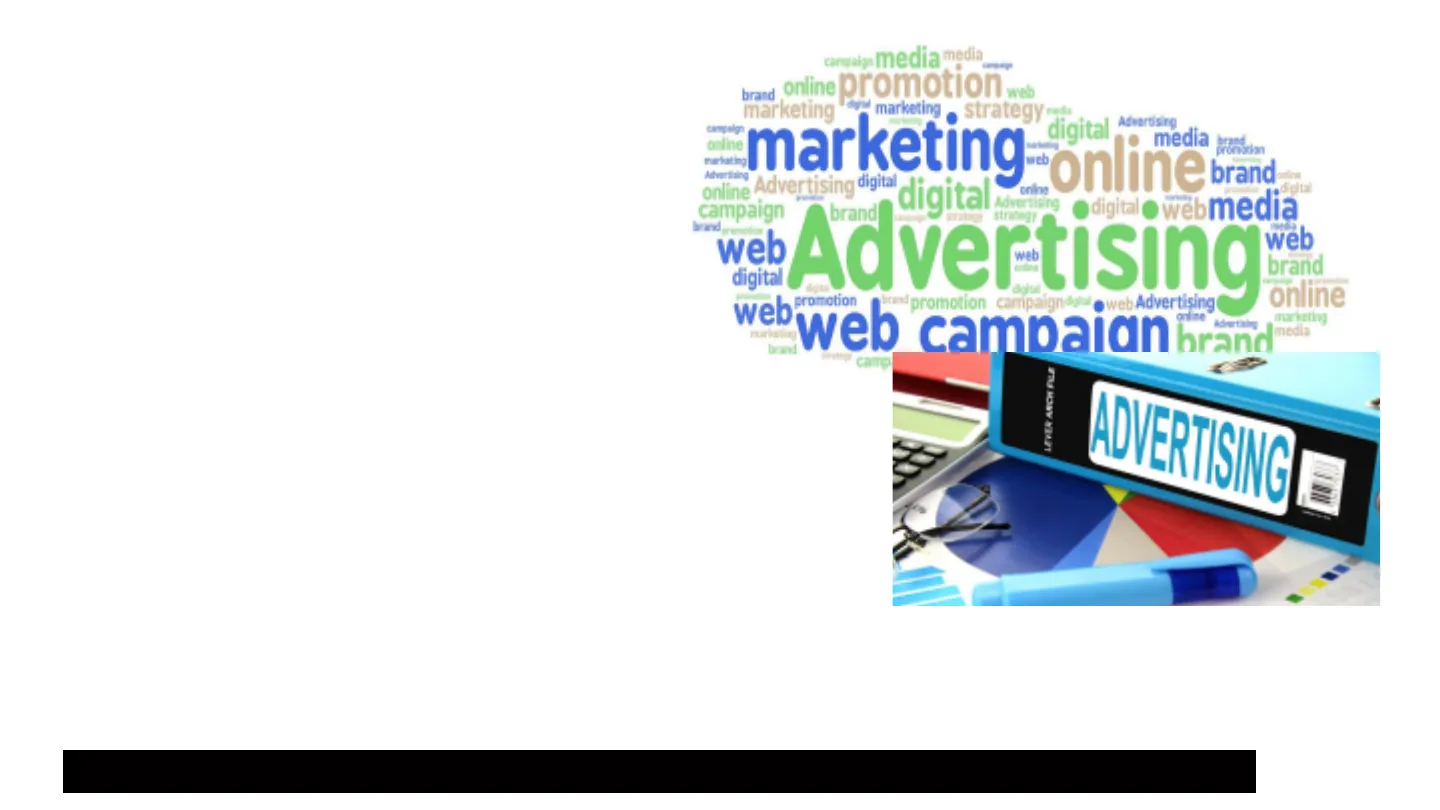
- campaign media media brand online promotion web marketing a marketing strategy marketing online Advertising media online marketing online Advertising digital online digital campaign digital Advertising digital @ webmedia web digital Advertising web brand web promotion brand promotion campaign dado web Advertising online marketing mirkain brand web campaign brand media ADVERTISING
Definition of Advertising
DEFINITION OF ADVERTISING Advertising is a form of communication intended to persuade an audience (viewers - -readers or listeners) to purchase or to consume a particular product. It is a component of the marketing process and includes the name of a product or service and how that brand could benefit the consumer. Commercial advertisers often seek to generate increased consumption of their products or services through "banding": it includes the repetition of an image or product name in an effort to associate related qualities with the brand in the minds of consumers.
Origins of Advertising
ORIGINS OF ADVERTISING The first step towards modern advertising came with the development of printing in the 15th and 16th centuries. Then during the 17th century weekly newspapers in London began to carry advertisements, and as printing technology more rapidly advanced through the next century, billboards advertising became more popular and accessible for business.
The Golden Age of Advertising (1900-2000)
THE GOLDEN AGE (FROM 1900 TO 2000) Advertising took a new turn when radio stations and television came into play, and by the beginning of the 20th century, more than 30% of the world's population used them. At thistime ads started to be more personalized, as communication was now directly between the customer and brand. In the 1950s, brands started introducing characters for ads to attract customers. For example, Kellogg's introduced cartoon mascot Tony the Tiger to promote Frosted Flakes breakfast cereal. And then came the Internet, which offered more ways to execute advertising strategies Consequently, advertisers began focusing more on digital ads instead of traditional offline channels. a
Digital Advertising Evolution
DIGITAL ADVERTISINGDigital marketing dates back to the 80s when marketing began to use digital devices. As time progressed, the Internet became more accessible and advanced and ads such as video pop-ups, interactive banners and email marketing gradually spread worldwide. Things became to change once again in the late 2000s with the rise of social media and mobile marketing. Suddenly, people were constantly connected to the Internet, thanks to their smartphones, going online to be entertained and and see what's happening in the world.
Types of Advertising
- Print advertising: it includes printed ads in newspapers, magazines, billboards, brochures and other physical publications.
- Broadcast advertising: it includes television commercials, radio ads and other forms of media transmitted to a large audience.
- Online advertising: it includes digital ads on websites, social media platforms, search engines and mobile apps.
PROMOTE AOPFATISING NEWUS
- Outdoor advertising: it includes billboards, transit ads (for example on buses, trains and taxis) and street furniture (kiosks and benches).
- Direct mail advertising: it involves sending printed ads, flyers or brochures directly to people's homes or businesses.
- Guerilla advertising: it involves unconventional and often unexpected promotional tactics in public spaces, such as flash mobs, street art or interactiveinstallations.
- In-stores advertising: it includes displays, signs and promotions in physical stores or retail locations.
Advantages and Disadvantages of Advertising
ADVANTAGES AND DISADVANTAGES OF ADVERTISING strong association between a product or service and a particular brand. ADVANTAGES: . Increase awareness: ads help people to increase awareness of a product or service, by introducing to a large audience. . Targeted audience: ads can be targeted to a specific audience, based on factors such as age, gender and interests. This helps to ensure that the right message reaches the right people. . Creative freedom: ads help to make the message more interesting and memorable using different mediums such as TV, print or social media. . Brand recognition: ads help to build brand recognition and loyalty by creating a DISADVANTAGES: · False information: some ads can contain ambiguous, false information or exaggerations about a product or service. This can lead to false expectations and disappointment among consumers. · Overexposure: too much advertising can lead to overexposure and consumer fatigue, as people may become tired of seeing the same ads repeatedly. . Negative associations: some ads may be perceived as offensive or inappropriate, leading to negative associations with the product or serviceand the brand Environmental impact: ads can have a negative impact on the environment with regards to printed materials such as flyers and other materials which contribute to waste and pollution. Ford SUZUKI Coca-Cola Chiquita®SEA
Conclusion on Brand and Slogan
CONCLUSION. BRAND AND SLOGAN. GROUP DISCUSSION: Many popular brands usually use advertising strategies such as phrases, music or slogan that draw attention to a particular product or service. You must have heard, for example, this catchy tagline "take a break, have a kit-kat!" coming from the kitkat chocolate snack advertisement, or the slogan "Yes, we can" used by Barack Obama during his election campaign in 2008.. EXERCISE: Think about some slogan you have read or heard and talk to your classmates about it. Barilla The Italian Food Company. Since 1877. ₭ + 8 SMS I aR ... ADVERTISING 0 BRANDING O MAY ETING !EXPRE EXPRE
Can’t find what you’re looking for?
Explore more topics in the Algor library or create your own materials with AI.
