Organizational Behaviors, Module 2 Culture, Alma Mater Studiorum
Slides from Alma Mater Studiorum Universita Di Bologna about Organizational Behaviors, Module 2 Culture. The Pdf explores organizational culture, focusing on Hofstede's cultural dimensions, power distance, individualism vs collectivism, for University Economics students.
See more31 Pages


Unlock the full PDF for free
Sign up to get full access to the document and start transforming it with AI.
Preview
Organizational Culture Definition
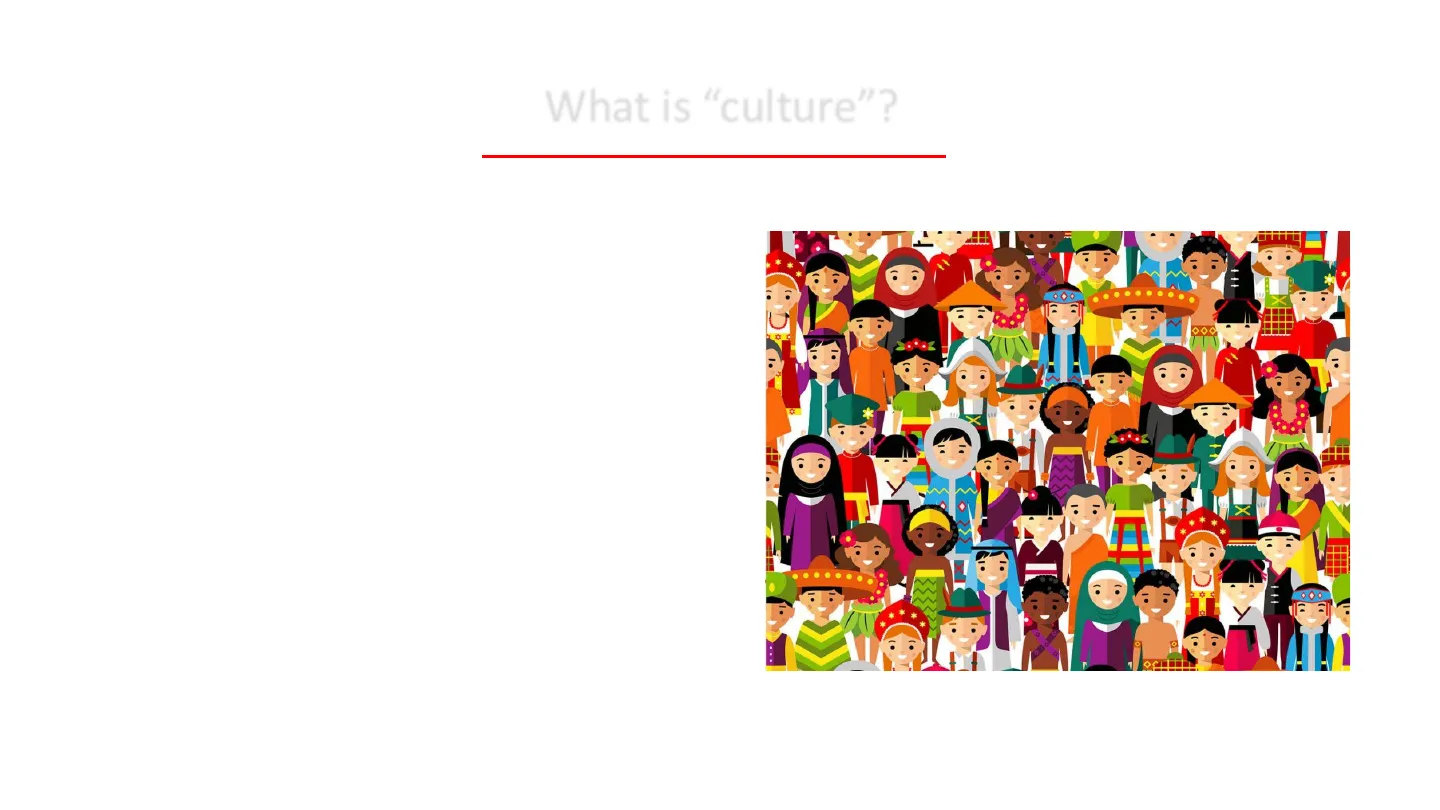
TER STUL MA ALMA UNIVERSITÁ DI BOLOGNA ORUM A. D. 1088 ORGANIZATIONAL BEHAVIORS, MODULE 2 CULTURE CLAUDIA MANCAWhat is "culture"? Culture can be understood as a common understanding of "how we normally do things around here" shared by a group of individuals (Deal & Kennedy, 1982).
The group can be any group of individuals who have developed over time this common understandings: a Nation, a company, a team, a profession, etc.
Culture creates a sense of predictability: it suggests what is expected from us when we act and interact in a specific context and within a specific group.
X
- Deal & Kennedy (1982), Corporate culture: the rites and rituals of corporate life. Boston: Addison-Wesley
Visualizing Culture: Observable Aspects
How to visualize culture? What is observable of a culture Behaviors Institutions Norms Values Beliefs Fundamental assumptions What is not (or less) visible of a culture
How to visualize culture? What is observable of a culture Behaviors Institutions Norms Values Beliefs Fundamental assumptions What is not (or less) visible of a culture
Above the waterline we have behaviors ... Think about greetings at the beginning of a business meeting, and how many variations could be found across nations just in relation to them.
How to visualize culture? What is observable of a culture Behaviors Institutions Norms Values Beliefs Fundamental assumptions What is not (or less) visible of a culture
Above the waterline we have behaviors ... Think about greetings at the beginning of a business meeting, and how many variations could be found across nations just in relation to them.
... and institutions Culture is expressed in institutional choices (legal, political, religious), such as a free-market economy or communist political system.
Visualizing Culture: Less Visible Aspects
How to visualize culture? What is observable of a culture Behaviors Institutions Norms Values Beliefs Fundamental assumptions What is not (or less) visible of a culture
Below the waterline we find norms ... Like those regarding the directedness and indirectness of communication (e.g., eye contact, touch, etc.).
How to visualize culture? What is observable of a culture Behaviors Institutions Norms Values Beliefs Fundamental assumptions What is not (or less) visible of a culture
Below the waterline we find norms ... Like those regarding the directedness and indirectness of communication (e.g., eye contact, touch, etc.).
... values ... Different cultural groups tend to judge differently what is important in terms of social interactions (e.g., is more important the individual or the group? Are power asymmetries acceptable?).
How to visualize culture? What is observable of a culture Behaviors Institutions Norms Values Beliefs Fundamental assumptions What is not (or less) visible of a culture
... beliefs ... Cultures also differ in terms of beliefs that are learned and shared across different groups (e.g., how you feel about having an important business meeting on Friday 17th?).
How to visualize culture? What is observable of a culture Behaviors Institutions Norms Values Beliefs Fundamental assumptions What is not (or less) visible of a culture
... beliefs ... Cultures also differ in terms of beliefs that are learned and shared across different groups (e.g., how you feel about having an important business meeting on Friday 17th?).
... and fundamental assumptions Finally, we have those fundamental assumptions that guide our convictions and behaviors. How do we persuade the others? Using rationality or emotional appeals? What is more important to manage tensions? Confronting the counterpart or avoiding conflicts from the start? What does motivate us? Personal achievements or more connections?
Hofstede's Cultural Dimensions Framework
How to profile a culture? In the 60s, Geert Hofstede developed one of the most widely used comparative cross-cultural frameworks, comparing cultures across 6 cultural variables or dimensions.
0 < - - - - - HOFSTEDE'S CULTURAL DIMENSIONS > 100 LOW POWER DISTANCE PDI HIGH POWER DISTANCE COLLECTIVISTIC INV INDIVIDUALISTIC FEMININE MAS MASCULINE LOW UNCERTAINTY AVOIDANCE UAI HIGH UNCERTAINTY AVOIDANCE SHORT TERM ORIENTATION LTO LONG TERM ORIENTATION RESTRAINT IND INDULGENCE
Power Distance Index (PDI)
Power distance It expresses the extent to which less powerful members of a cultural group accept and expect an unequal distribution of power.
In egalitarian cultures (low PDI), the boss' aura of authority often comes from him/her acting like one of the team.
In hierarchical cultures (high PDI), an aura of authority often comes from setting oneself clearly apart.
0 < - - - -- HOFSTEDE'S CULTURAL DIMENSIONS 7 100 LOW POWER DISTANCE PDI HIGH POWER DISTANCE COLLECTIVISTIC INV INDIVIDUALISTIC FEMININE MAS MASCULINE LOW UNCERTAINTY AVOIDANCE UAI HIGH UNCERTAINTY AVOIDANCE SHORT TERM ORIENTATION LTO LONG TERM ORIENTATION RESTRAINT IND INDULGENCE
Power distance 80 50 40 31 Power Distance China x Italy x Sweden × United States
0 < - - - - - HOFSTEDE'S CULTURAL DIMENSIONS 7 100 LOW POWER DISTANCE PDI HIGH POWER DISTANCE COLLECTIVISTIC INV INDIVIDUALISTIC FEMININE MAS MASCULINE LOW UNCERTAINTY AVOIDANCE UAI HIGH UNCERTAINTY AVOIDANCE SHORT TERM ORIENTATION LTO LONG TERM ORIENTATION RESTRAINT IND INDULGENCE
Individualism vs. Collectivism (INV)
Individualism vs Collectivism It describes the extent to which members of a cultural group put forward their own individual interests against the group and hold self-reliance to be valuable (individualism), vs the extent to which members align their interests with those of the group and consider this valuable (collectivism).
0 < - - - - - HOFSTEDE'S CULTURAL DIMENSIONS -> 100 LOW POWER DISTANCE PDI HIGH POWER DISTANCE COLLECTIVISTIC INV INDIVIDUALISTIC FEMININE MAS MASCULINE LOW UNCERTAINTY AVOIDANCE UAI HIGH UNCERTAINTY AVOIDANCE LONG TERM SHORT TERM ORIENTATION LTO ORIENTATION RESTRAINT IND INDULGENCE
Individualism vs Collectivism To grasp individualism, you can picture field athletes who are awarded a team medal. Here, the outcome of individual excellence is what really matters for the team performance.
For collectivism, differently, you can imagine individuals rowing together a boat. In this case, the members of the teams are not simply summing up their scores; they have to synchronize their efforts and follow the advice of a collective pacemaker for doing so.
0 < - - - - - HOFSTEDE'S CULTURAL DIMENSIONS -> 100 LOW POWER DISTANCE PDI HIGH POWER DISTANCE COLLECTIVISTIC INV INDIVIDUALISTIC MAS ITALIA ITALIA JA ITA ITA OKYO 2020 4 Kappa LTO 5 RESTRAINT IND INDULGENCE UAI ITA
Individualism vs Collectivism 91 76 71 20 Individualism China x Italy x Sweden × United States
0 < - - - - - HOFSTEDE'S CULTURAL DIMENSIONS -> 100 LOW POWER DISTANCE PDI HIGH POWER DISTANCE COLLECTIVISTIC INV INDIVIDUALISTIC FEMININE MAS MASCULINE LOW UNCERTAINTY AVOIDANCE UAI HIGH UNCERTAINTY AVOIDANCE SHORT TERM ORIENTATION LTO LONG TERM ORIENTATION RESTRAINT IND INDULGENCE
Masculinity vs. Femininity (MAS)
Masculinity vs Femininity It encompasses two aspects. First, a masculine culture implies the dominance of values that are considered "masculine", such as assertiveness and competitiveness.
In contrast, a feminine culture implies the dominance of values that are considered "feminine", like care, cooperation and modesty.
0 < - - - - - HOFSTEDE'S CULTURAL DIMENSIONS -> 100 LOW POWER DISTANCE PDI HIGH POWER DISTANCE COLLECTIVISTIC INV INDIVIDUALISTIC FEMININE MAS MASCULINE LOW UNCERTAINTY AVOIDANCE UAI HIGH UNCERTAINTY AVOIDANCE SHORT TERM ORIENTATION LTO LONG TERM ORIENTATION RESTRAINT IND INDULGENCE
Masculinity vs Femininity 70 66 62 5 Masculinity China x Italy x Sweden × United States
0 < - - - - - HOFSTEDE'S CULTURAL DIMENSIONS -> 100 LOW POWER DISTANCE PDI HIGH POWER DISTANCE COLLECTIVISTIC INV INDIVIDUALISTIC FEMININE MAS MASCULINE LOW UNCERTAINTY AVOIDANCE UAI HIGH UNCERTAINTY AVOIDANCE SHORT TERM ORIENTATION LTO LONG TERM ORIENTATION RESTRAINT IND INDULGENCE
Uncertainty Avoidance Index (UAI)
Uncertainty avoidance It expresses the extent to which the members of a cultural group feel uncomfortable when facing uncertainty and ambiguity.
Individuals with high UA are those who wish to counteract the predictability of future events, and they can do this in many ways.
0 < - - - - - HOFSTEDE'S CULTURAL DIMENSIONS -> 100 LOW POWER DISTANCE PDI HIGH POWER DISTANCE COLLECTIVISTIC INV INDIVIDUALISTIC FEMININE MAS MASCULINE LOW UNCERTAINTY AVOIDANCE UAI HIGH UNCERTAINTY AVOIDANCE SHORT TERM ORIENTATION LTO LONG TERM ORIENTATION RESTRAINT IND INDULGENCE
Uncertainty avoidance 75 46 30 29 Uncertainty Avoidance China x Italy x Sweden × United States
0 < - - - - - HOFSTEDE'S CULTURAL DIMENSIONS -> 100 LOW POWER DISTANCE PDI HIGH POWER DISTANCE COLLECTIVISTIC INV INDIVIDUALISTIC FEMININE MAS MASCULINE LOW UNCERTAINTY AVOIDANCE UAI HIGH UNCERTAINTY AVOIDANCE SHORT TERM ORIENTATION LTO LONG TERM ORIENTATION RESTRAINT IND INDULGENCE
Long vs. Short-Term Orientation (LTO)
Long vs Short-term orientation It indicates the time orientation of a society.
In long-term orientation cultures, people value future rewards, persistence, perseverance, saving and being able to adapt.
Short-term orientation cultures are more concerned with short-term gratification. They value tradition, "protecting one's face" and the fulfilling of social obligations.
0 < - - - - - HOFSTEDE'S CULTURAL DIMENSIONS -> 100 LOW POWER DISTANCE PDI HIGH POWER DISTANCE COLLECTIVISTIC INV INDIVIDUALISTIC FEMININE MAS MASCULINE LOW UNCERTAINTY AVOIDANCE UAI HIGH UNCERTAINTY AVOIDANCE SHORT TERM ORIENTATION LTO LONG TERM ORIENTATION RESTRAINT IND INDULGENCE
Long vs Short-term orientation 87 61 53 26 Long Term Orientation China x Italy x Sweden x United States
0 < - - - - - HOFSTEDE'S CULTURAL DIMENSIONS -> 100 LOW POWER DISTANCE PDI HIGH POWER DISTANCE COLLECTIVISTIC INV INDIVIDUALISTIC FEMININE MAS MASCULINE LOW UNCERTAINTY AVOIDANCE UAI HIGH UNCERTAINTY AVOIDANCE SHORT TERM LTO LONG TERM ORIENTATION ORIENTATION RESTRAINT IND INDULGENCE
Indulgence vs. Restraint (IND)
Indulgence vs Restraints It is defined by the extent to which people try to control their desires and impulses based on the way they were raised.
Restrained cultures prefer medium term rewards, and they are often the results of strong religious or political norms.
0 < - - - - - HOFSTEDE'S CULTURAL DIMENSIONS -> 100 LOW POWER DISTANCE PDI HIGH POWER DISTANCE COLLECTIVISTIC INV INDIVIDUALISTIC FEMININE MAS MASCULINE LOW UNCERTAINTY AVOIDANCE UAI HIGH UNCERTAINTY AVOIDANCE SHORT TERM LTO LONG TERM ORIENTATION ORIENTATION RESTRAINT IND INDULGENCE
Can’t find what you’re looking for?
Explore more topics in the Algor library or create your own materials with AI.
