The Human Urinary System: Kidney, Nephron, and Urine Production
Slides about The Human Urinary System. The Pdf, a presentation, provides a schematic overview of the human urinary system, detailing the anatomy of the kidney and nephron, and the process of urine production through filtration and reabsorption. This Biology material is suitable for University students.
See more8 Pages

Unlock the full PDF for free
Sign up to get full access to the document and start transforming it with AI.
Preview
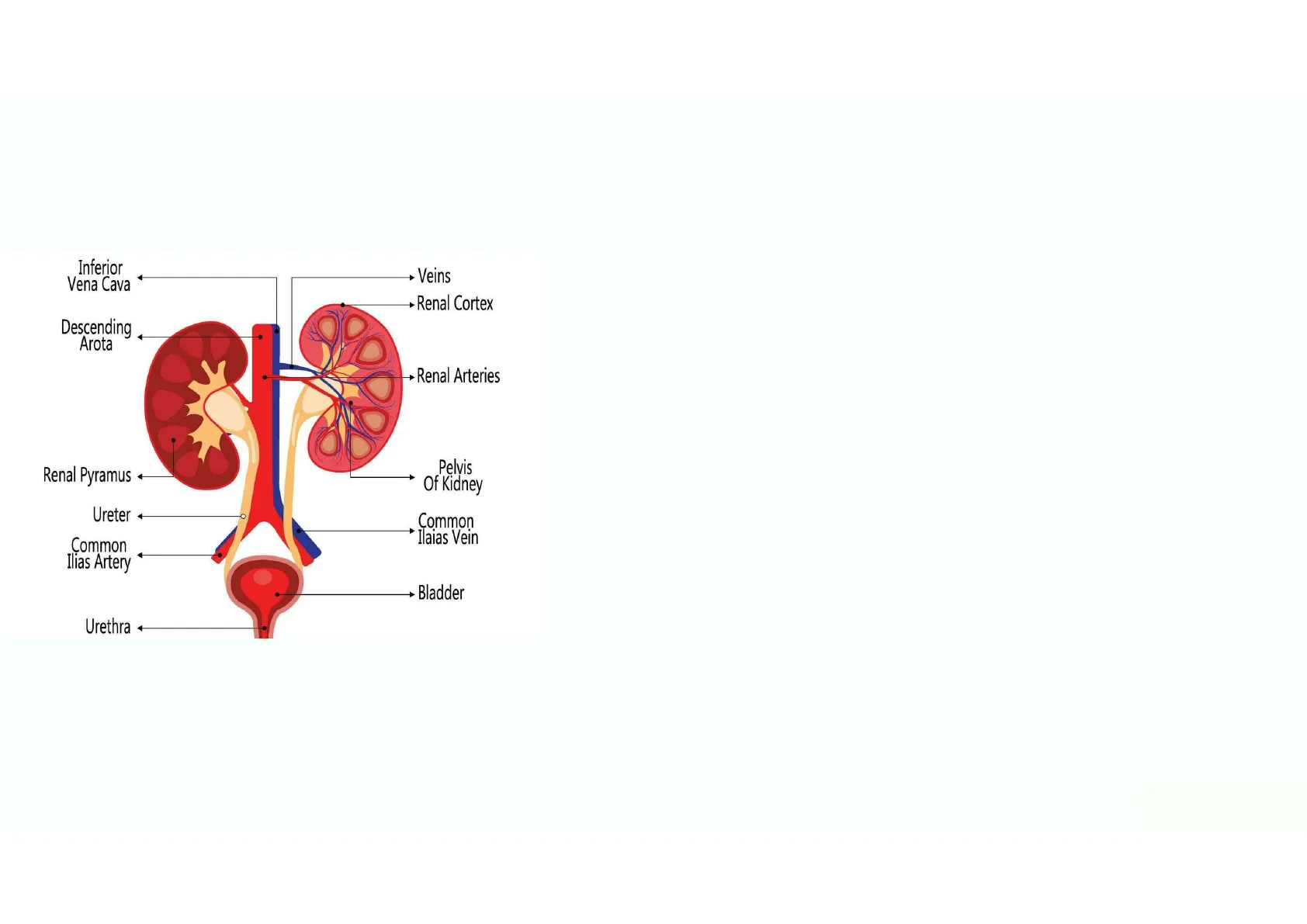
Inferior Vena Cava Veins
+ Renal Cortex Descending Arota + Renal Arteries Renal Pyramus + Pelvis Of Kidney Ureter O Common Ilaias Vein Common Ilias Artery Bladder Urethra
The Human Urinary System Overview
The urinary system is a vital part of the body's waste removal system. It filters blood, removes waste products, and produces urine for elimination. This system works closely with the digestive system, removing waste from both food and metabolic processes.
#29. Briana Valeria Ovalle Chávez Group:222
Kidney Anatomy and Function
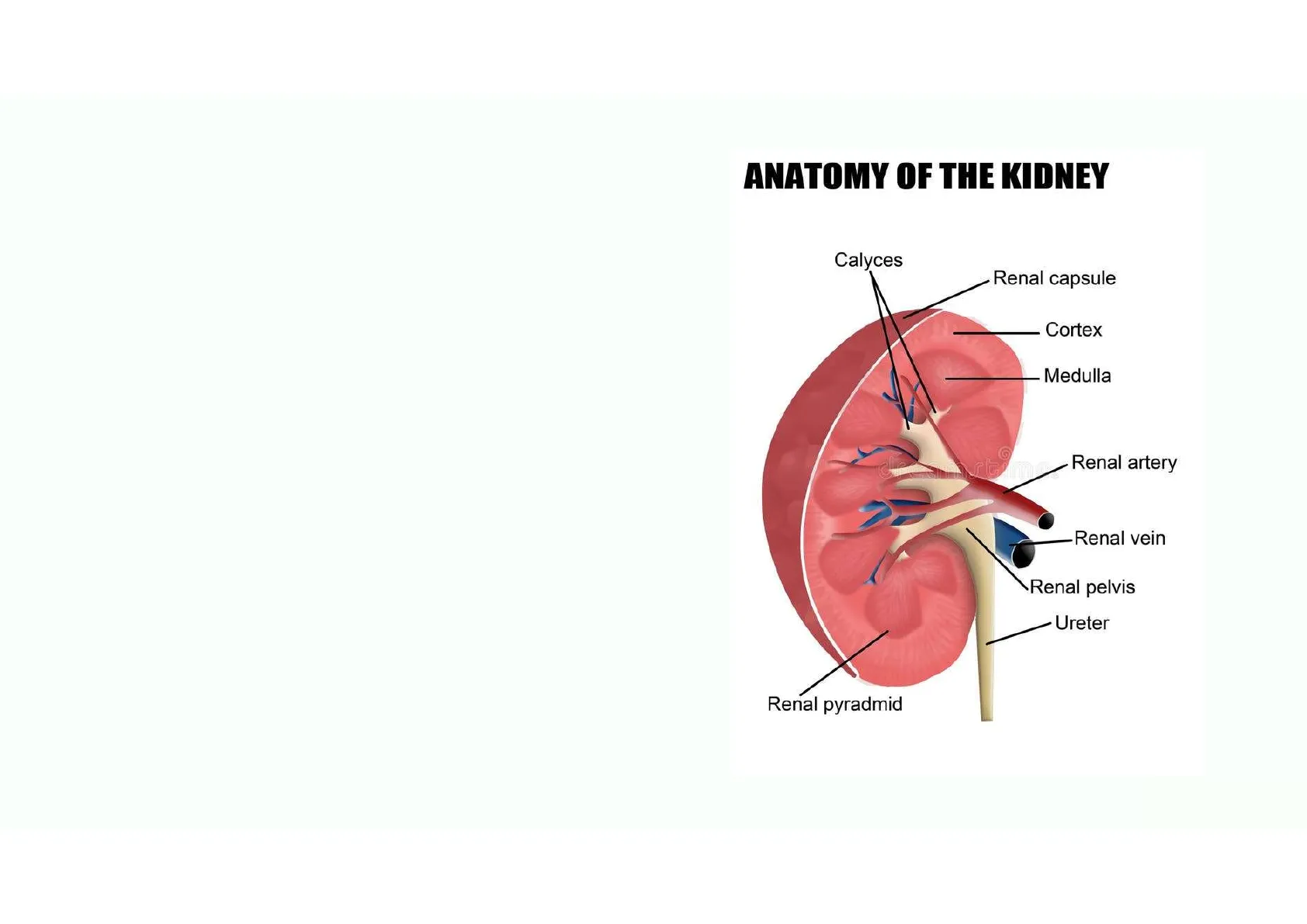
The kidney is a bean-shaped organ responsible for filtering blood, removing waste, and balancing fluids and electrolytes in the body. Each kidney is made up of several key parts:
- Cortex: Outer layer, contains filtering nephrons.
- Medulla: Inner layer with pyramids for urine transport.
- Renal Pelvis: Funnel collecting urine before the ureter.
- Calyces: Cup-like structures directing urine to the pelvis.
- Renal Artery: Brings blood to the kidney.
- Renal Vein: Carries filtered blood away.
- Ureter: Tube sending urine to the bladder.
ANATOMY OF THE KIDNEY
Calyces Renal capsule Cortex Medulla Renal artery Renal vein Renal pelvis Ureter Renal pyradmid
Nephron Structure and Function
The nephron is the kidney's functional unit, filtering blood and forming urine. Each kidney contains about a million nephrons. Its main parts:
- Bowman's Capsule: Surrounds the glomerulus, collecting filtered substances.
- Glomerulus: A cluster of capillaries that filter blood.
- Proximal Convoluted Tubule: Reabsorbs water, nutrients, and ions.
- Loop of Henle: Regulates water and salt balance.
- Distal Convoluted Tubule: Fine-tunes ion and PH balance.
- Collecting Duct: Final urine concentration, directing it to the ureter.
- Artery: Brings blood for filtration.
- Vein: Carries filtered blood away.
Nephron Structure Diagram
Glomerulus Tubular part of nephron Bowman's capsule Artery 1 5 F Vein Loop of Henle Conducting duct
Urine Production: Step 1 - Filtration
Filtration Process
Blood pressure forces water, ions, glucose, amino acids, and waste products out of the glomerular capillaries and into Bowman's capsule, forming filtrate.
Remaining Components
Large proteins and blood cells remain in the blood.4
Urine Production: Step 2 - Reabsorption
Water Glucose Amino Acids Sodium
Urine Production: Step 3 - Secretion
- Waste products such as urea, uric acid, creatinine, and certain drugs are secreted from the blood into the renal tubule.
- Secretion helps regulate pH levels by secreting hydrogen ions.
Lesrtel corce sescetive 'rbonp uric acid urea creatitine hydrogline 2
Common Urinary Disorders
- Cystitis: Inflammation of the bladder, often caused by bacterial infection. Symptoms include pain and frequent urination.
- Kidney Stones: Hard deposits that form in the kidneys, composed of minerals and salts. Can block urine flow, causing severe pain.
- Renal Insufficiency: Gradual loss of kidney function, leading to the buildup of waste products in the blood.
Beary Tract Beal
Risk Factors and Prevention of Urinary Disorders
Staying hydrated and maintaining a healthy diet are key to preventing urinary disorders. Regular exercise and maintaining a healthy weight also contribute to kidney health.
Can’t find what you’re looking for?
Explore more topics in the Algor library or create your own materials with AI.
