Learning Situation 6: Respiratory System and Calorie Burning
Slides about Learning Situation 6. The Pdf, suitable for elementary school Science, explores the respiratory system and gas exchange, explaining why we "burn" calories. This educational material includes clear explanations and a review video.
See more8 Pages


Unlock the full PDF for free
Sign up to get full access to the document and start transforming it with AI.
Preview
Learning Situation 6: Why We Burn Calories
LEARNING SITUATION 6 WHY DO WE "BURN" CALORIES? 5TH GRADE - SCIENCE
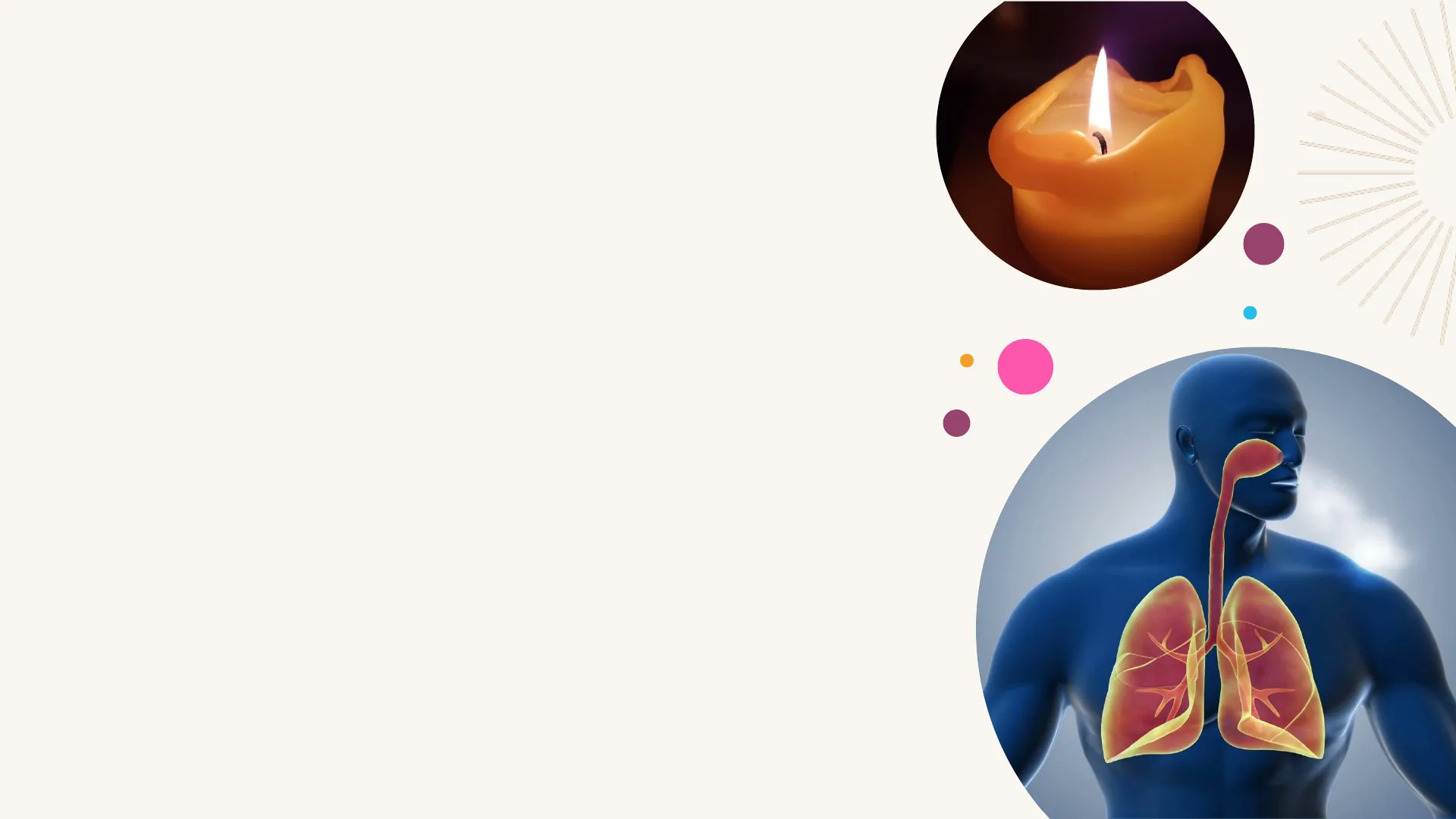
Nutrients are a fuel, like a candle wax. We also need oxygen to obtain energy
Inhalation, Exhalation, and Breathing
INHALATION EXHALATION BREATHING
Our cells need oxygen. They use it to obtain energy from nutrients. In this process they produce carbon dioxide which must be eliminated.
The Respiratory System Overview
THE RESPIRATORY SYSTEM: Carry out breathing: obtaining oxygen from the air and removing the carbon dioxide produced by the cells
Components of the Respiratory System
Trachea Bronchi Bronchioles - Alveoli Alveoli
Left lobe · The lungs: two organs located inside the thoracic cavity, behind the ribs. Inside each lungs are the bronchi, the bronchioles and the alveoli.
Nasal cavity Throat (pharynx) Nose Voice box (larynx) Mouth Lungs Windpipe (trachea) Airways (bronchi) . The airways: are the tubes that connect the lungs to the outside world. Air enters the lungs through them. Air sacs (alveoli)
They are the nasal cavity, the pharynx, the larynx, the trachea, the bronchi and the bronchioles.
Detailed Respiratory System Anatomy
THE RESPIRATORY SYSTEM: LUNG
THE NASAL CAVITY is the entrance, through the nose, to the respiratory system. It heats and humidifies the air and stops dust from entering.
THE PHARYNX connects the mouth, the nose, the beginning of the oesophagus (which is part of the digestive tube) and the larynx.
THE LARYNX joins the pharynx to the trachea. It contains the vocal cords, which are essential for speech.
THE TRACHEA is a rigid tube made up of rings. It divides in two to form the bronchi.
THE BRONCHI are two branches of the trachea that enter the lungs, where they branch off.
THE BRONCHIOLES are the increasingly thinner branches of the bronchi.
DIAPHRAGM
THE PULMONARY ALVEOLI are a kind of sack at the end of the bronchioles. Gas exchange takes place there.
Respiratory Movements: Inhalation and Exhalation
RESPIRATORY MOVEMENTS
- INHALATION is the intake of oxygen-rich air into the lungs. The diaphragm contracts and lowers.
- EXHALATION is the release of carbon dioxide-rich air from the lungs. The diaphragm relaxes and rises.
Inhalation Exhalation Diaphragm Respiratory movements.
Gas Exchange in Pulmonary Alveoli
GAS EXCHANGE takes place in the pulmonary alveoli.
Pulmonary Gas Exchange Process
Pulmonary Gas Exchange Blood in Blood out 1º Oxygen-rich air from inhalation reaches the alveoli and passes into the blood. 2º The blood absorbs oxygen from the alveoli and, at the same time, deposits the carbon dioxide expelling it with exhalation. Alveoli CO, out O2 in
Review of the Respiratory System
Time to review! https://youtu.be/mOKmjYwfDGU?feature=shared RESPIRATORY SYSTEM
Can’t find what you’re looking for?
Explore more topics in the Algor library or create your own materials with AI.
