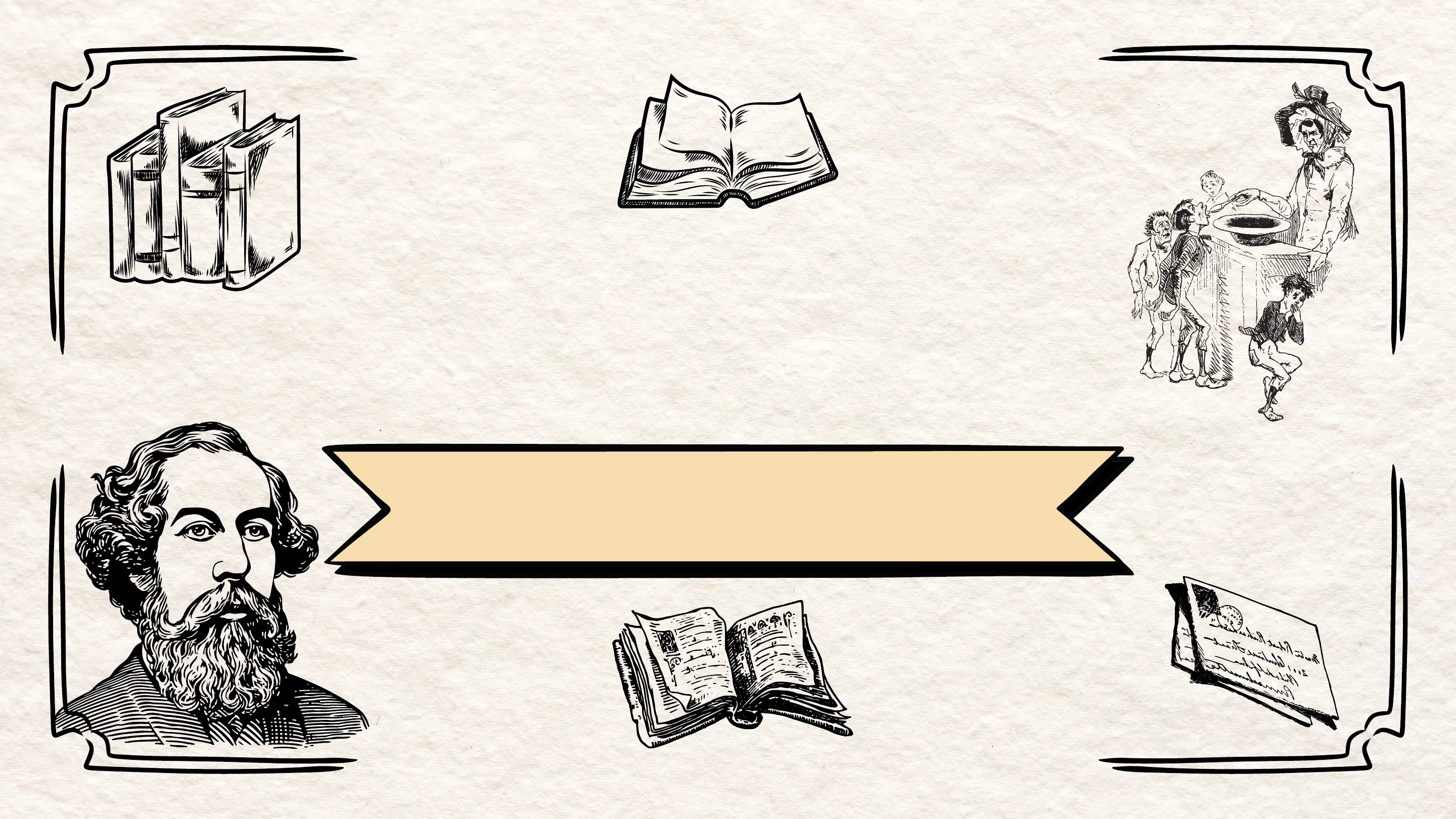
Charles Dickens: Biography, Characters, Themes, and Aims of His Works
Slides about Charles Dickens, covering his biography, characters, themes, and writing objectives. The Pdf, a presentation for high school Literature, details his difficult childhood, role as a reporter, social criticism, and representation of children, structured for easy understanding.
See more11 Pages

Unlock the full PDF for free
Sign up to get full access to the document and start transforming it with AI.
Preview
Life of Charles Dickens
CHARLES DICKENS 1812 - 1870LIFE Born in Portsmouth in 1812 UNNHAPPY CHILDHOOD: he had to work in a factory at the age of 12 (his father went to prison for debts) He became a newspaper reporter with the pen name Boz In 1836 Sketches by 'Boz', articles about London people and scenes, were published in installments = Died in 1870
Setting of Dickens' Novels
LONDON Parochial world Criminal world Victorian middle class of the workhouses. Its inhabitants belong to the lower-middle classes murderers, pickpockets living in squalid slums respectable people believing in human dignity
Main Novels by Dickens
- Oliver Twist (1838)
- David Copperfield (1850)
- Little Dorrit (1857)
- Bleak House (1853)
- Hard Times (1854)
- Great Expectations (1861)
Characters in Dickens' Works
The 18th-century Victorian society in all its variety, its richness and its squalor He was on the side of the poor, the outcast, the working-class. He created: CARICATURES he exaggerated and ridiculed particular social characteristics of the middle, lower and lowest classes WEAK FEMALE CHARACTERS
Themes in Dickens' Novels
Family, childhood and poverty Dickens's children are either innocent or corrupted by adults From negative circumstances to happy endings
Aim of Dickens' Writing
To highlight all the great Victorian controversies The faults of the legal system The horrors of factory employment Scandals in private schools The appalling living conditions in the slums
Style of Charles Dickens
Very rich and original = long list of objects and people several adjectives and details repetition of the same words, sentence structures and concepts (here with different words) exaggeration antithetical images and ideas in order to underline the characters' features suspense or introduction of a sensational event to keep the readers' interest
Oliver Twist Excerpt
Please sir, I want some more O Lord God ... for the blessing of this generous and bountiful meal ... that thou hast placed before us ... we give thanks. Amen. Amen. Please, sir. I want some more. What? Please, sir, I want some more. Fetch the beadle! Mr. Limbkins. I beg your pardon, sir. Oliver Twist has asked for more. For more ?! Compose yourself, Mr. Bumble, and answer me distinctly. Do I understand that he asked for more after he had eaten his supper? He did, sir. That boy will be hanged.
Oliver Twist Plot Summary
Oliver Twist Plot: Chapters 1-15
Chapters 1-2: Oliver's Birth and his early years in the Workhouse Chapter 6-10: Learning the Trade Chapter 3: Apprenticed to an Undertaker Chapter 11-12: Rescued by Mr. Brownlow Chapter 4-5: Arrival in London and Meeting with Dodger and Fagin Chapter 13-15: Recaptured by Fagin's Gang
Oliver Twist Plot: Chapters 16-53
Chapter 16-18: The Failed Robbery Chapter 19-24: A New Life with the Maylies Chapter 25-31: Monks' Plan Chapter 32-38: Nancy's Murder Chapter 39-45: Sikes' Fate and Monks' Secrets Chapter 46-53: Oliver's Happy Ending
Can’t find what you’re looking for?
Explore more topics in the Algor library or create your own materials with AI.
