Hitler's Foreign Policy: Saar Plebiscite and Rhineland Remilitarization
Slides about Hitler's Foreign Policy, examining the Saar plebiscite and the remilitarization of the Rhineland. The Pdf, a presentation for High school History, discusses the risks and opportunities Hitler faced, including the possibility of being stopped in 1936, and includes a quote from Hitler on remilitarization.
See more12 Pages

Unlock the full PDF for free
Sign up to get full access to the document and start transforming it with AI.
Preview
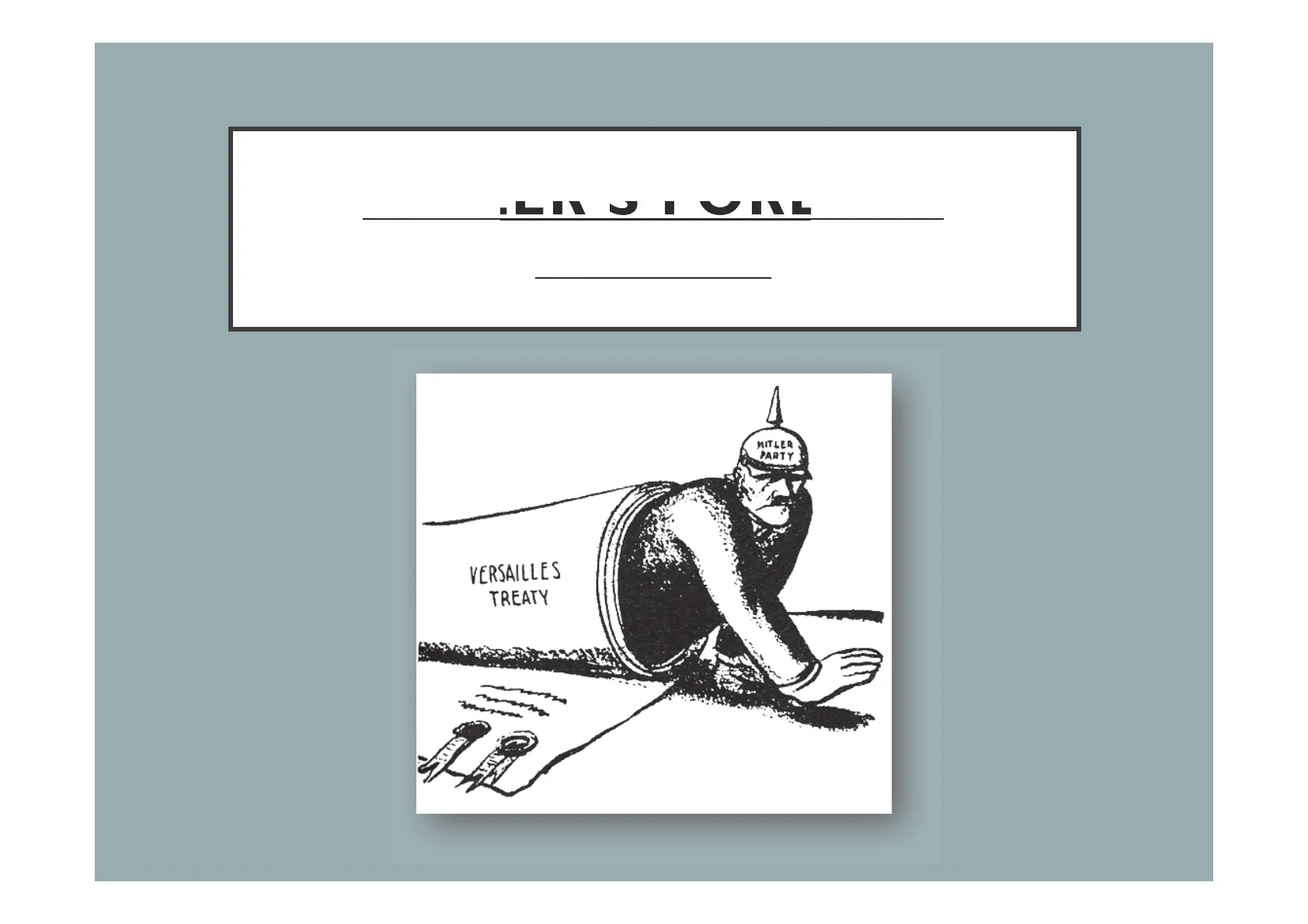
The Saar Plebiscite
. Saar area of Germany had been ruled by the League of Nations · 1935 - plebiscite (remain with LON, France or Germany). . Mainly German people there . 90% voted to return to Hitler's Germany - entirely legal - within the terms of TOV & morale boost - PROPAGANDA
METE Modewaren MERIE BILDMANN
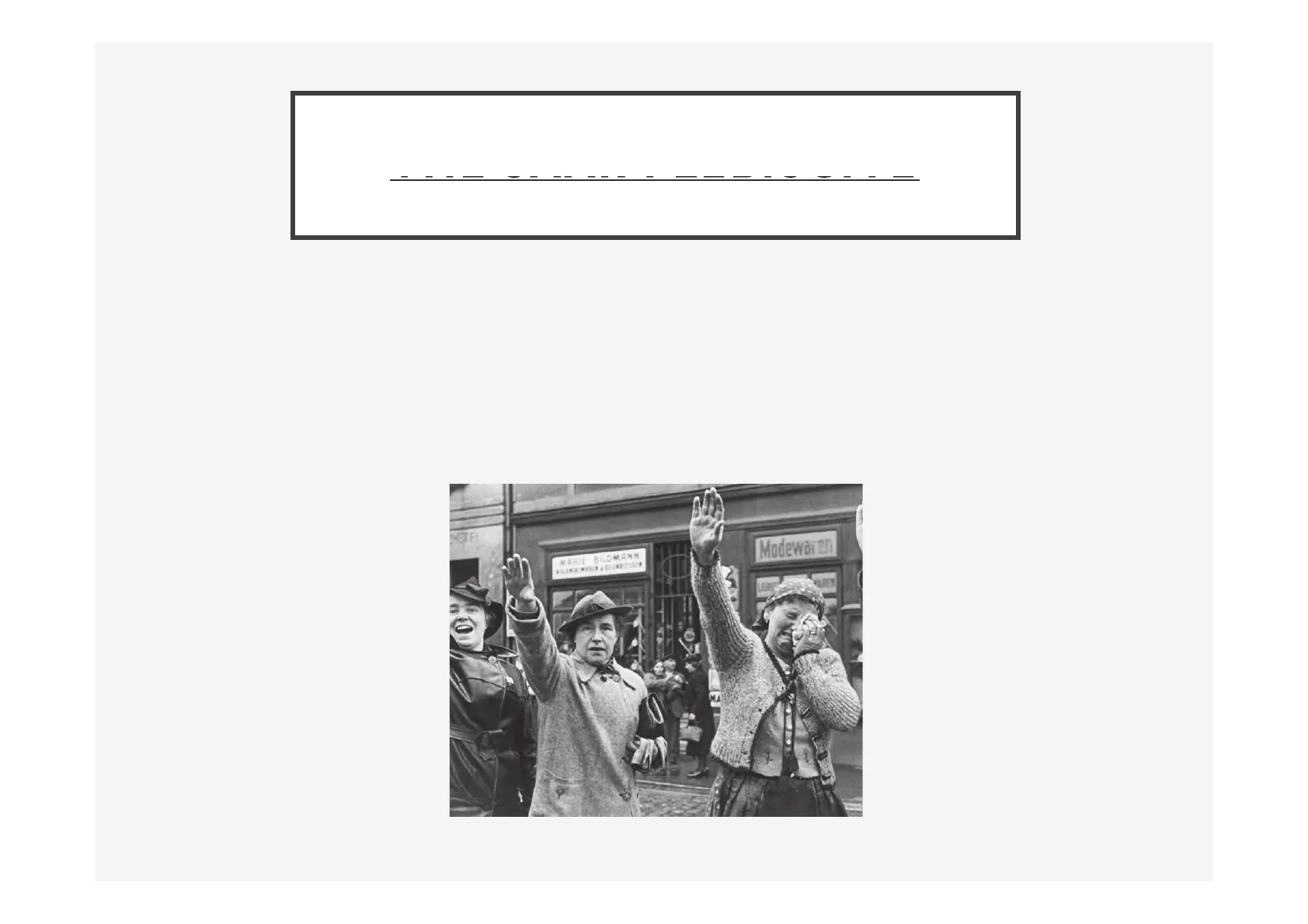
Source 2.18 Sudeten women respond to the entry of Hitler's troops to their territory. What could be the explanation for the response of the woman on the right?KšIn Siegen Eschweiler Troisdorf Marburg · Aachen Bonn Euskirchen Bad Neuenahr- Ahrweiler Wetzlar BELGIUM Andernacho -Neuwied „Limburg Koblenz Koblenz Trier Wiesbaden® ·Bitburg Bingen o Mainz Darmstadt Bad Kreuznacho LUXEMBOURG RHEINLAND-PFALZ Trier Worms Rheinhessen-Pfalz SAARLAND Kaiserslauterno Saarlouisa Speyer> Karlsruhe Všlklingen· · Saaltricken · Pirmasens Metz oKarlsruhe FRANCE ·Rastatt Shine Strasbourg Offenburg Moselle Rhein Freiburg Villingerf Freiburg Lšrrach LUXEMBURG LudwigshafenCOMannheim ·Neunkirchen Hotele BYren
Remilitarisation of the Rhineland
- 1936 - Hitler moved his troops to the Rhineland area
- Its demilitarisation (no troops allowed there) was one of the terms of the TOV & Locarno Pact - a huge gamble.
- France had signed a treaty with the USSR - Germany said they felt threatened.
- Germany entered Rhineland - French army at this time better than theirs
- LON condemned Hitler but did nothing -only USSR wanted to impose sanctions.
Why No Action Against Hitler?
- Hitler had chosen his moment carefully - Britain & France were concerned about Italy - invaded Abyssinia.
- The French were divided but would not act without Britain.
- Britain felt Hitler was doing nothing wrong - it was his own territory - not another country.
- No one wanted a war!
Bundesarchiv, Bild 102-10038 Foto: o.Ang. | 30. Juni 1930PAX GERMANICA A.C ment Ht. Shepar THE GOOSE-STEP "GOOSEY GOOSEY GANDER, WHITHER DOST THOU WANDER?" "ONLY THROUGH THE RHINELAND - PRAY EXCUSE MY BLUNDER!" F British cartoon on the Rhineland, 18 March 1936. The goose step is a method of marching used by the Nazi army
Could Hitler Have Been Stopped in 1936?
- Hitler took a chance entering the Rhineland - even went against the advice of his generals.
- Also against financial advisors who feared economic sanctions.
- Hitler had judged foreign reaction perfectly.
- If France had invaded Hitler may have been even more popular - victim of foreign invasion
- Hitler could have been stopped but the will to use force was not there
66 The forty-eight hours after the march into the Rhineland were the most nerve-racking in my life. If the French had then marched into the Rhineland we would have had to withdraw in disgrace, for the military resources at our disposal would have been inadequate for even a modest resistance. 99 H Hitler speaking later about the remilitarisation
Results of Remilitarisation
- Hitler has reversed the TOV
- Position of Hitler in Germany had been strengthened.
- Increased confidence
- Led to Rome - Berlin Axis
- 1936 - 39 Spanish Civil war gave Italian & German troops experience of War.
- Rearmament in Britain
- End of the LON.
Anschluss
6 6 Deutsches Reich D A stamp issued in Germany to commemorate the return of the Saar · Means a union with Germany; unite the German speaking peoples of the World. · Strong Nazi Party in Austria - caused trouble got the Government. There were riots in support of the Nazis. . 1938 - Mussolini wouldn't stop it. . It was a triumph for Germany · Hitler's confidence continued to grow · Germany now possessed land on 3 sides of the Sudetenland - the German speaking part of Czechoslovakia. · Proved the value of Hitler's alliance with Mussolini · Anschluss was VERY popular in Germany.
- Austrian Chancellor forced to hold a plebiscite - 99.75% voted for a union.
- Hitler taking lots of risks but clear France & Britain wanted to avoid war at all costs.
- 12th March 1938 - Germany entered Austria
- Britain & France did nothing - L.O.N. not consulted.
- Britain was sympathetic - also feared communism so preferred a stronger Germany than USSR.
Hitler's Movements Leading Up to War
ARK N Z North Sea BRITAIN EAST PRUSSIA NETHERLANDS GERMANY Polish Corridor Poland September 1939 Sudetenland October 1938 Atlantic Ocean Rhineland remilitarised March 1936 USSR Saar plebiscite January 1935 Czechoslovakia March 1939 SWITZERLAND FRANCE HUNGARY ITALY AUSTRIA March 1938 0 300 km K Expansion of Germany, 1935-39
Can’t find what you’re looking for?
Explore more topics in the Algor library or create your own materials with AI.