Lithosphere: Future Supply of Mineral Resources and Sustainability
Slides about Lithosphere – Future Supply. The Pdf explores the future supply of mineral resources, particularly those from the lithosphere, and discusses the sustainability of current exploitation levels. This University Geography Pdf, produced in slide format, includes economic graphs illustrating demand, supply, surplus, and shortage concepts.
See more26 Pages

Unlock the full PDF for free
Sign up to get full access to the document and start transforming it with AI.
Preview
Lithosphere - Future Supply
Starter
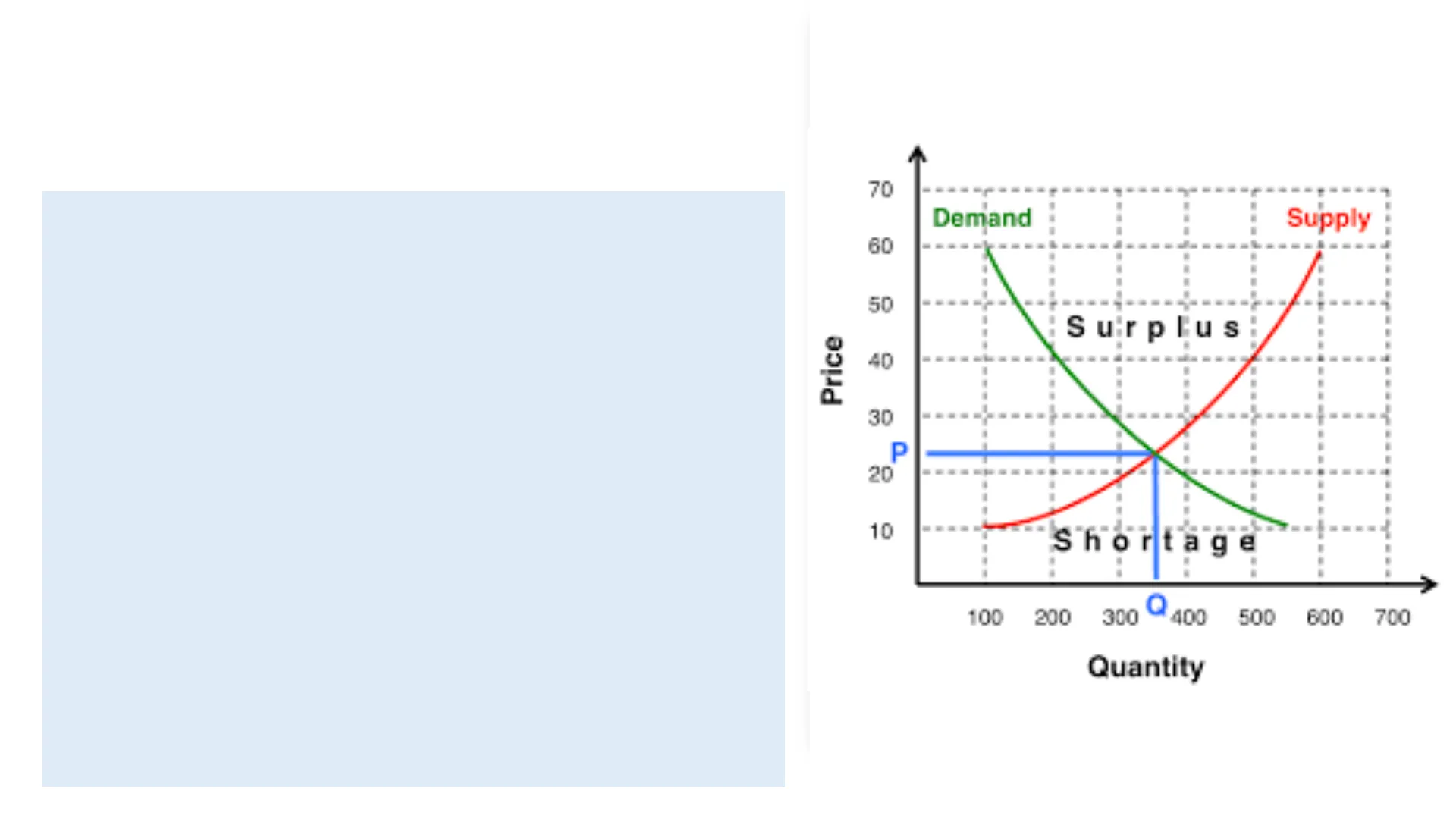
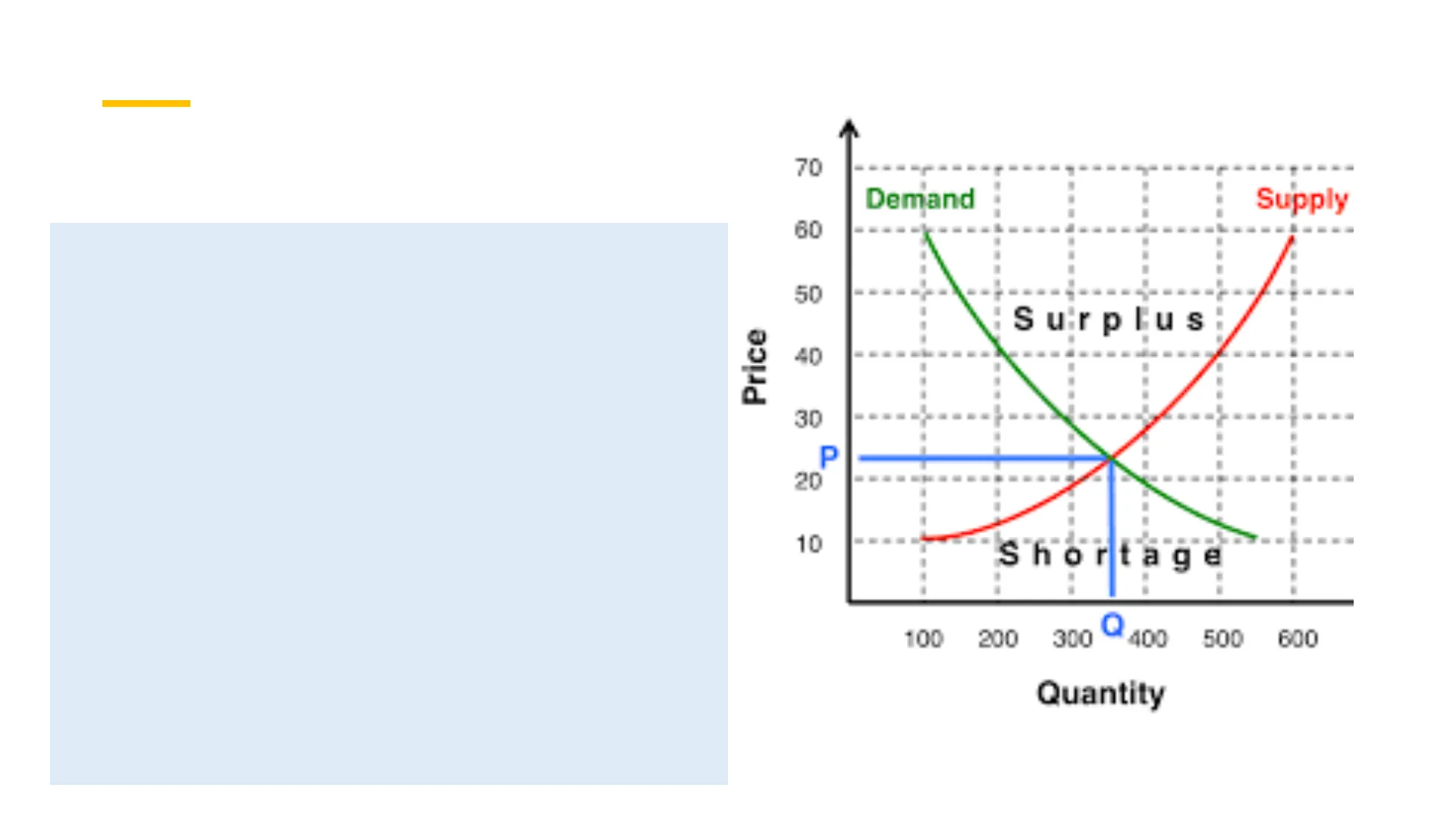
- Why is demand increasing on
mineral resources supply? - What is happening to the
ores reserves we are exploiting?
70
Demand
Supply
60
50
Surplus
:
Price
40
30
P
20
10
Shorta
100 200 300
400
500 600
700
QuantityStarter:
Why is demand increasing on mineral
resources supply?
- Increasing population,
- Increasing affluence,
- Increasing demand for rare Earth
metals.
What is happening to the ores reserves
we are exploiting?
- Finite resource,
- Declining ore purity.
70
Demand
Supply
80
50
Surplus
Price
40
30
P
20
10
Shor
100 :
200
300
400
500
600
Quantity
Lithosphere - Future Supplies Learning Outcomes
- Explain the difficulties in ensuring supply
meets demand, - Discuss the strategies that may be used
to secure future mineral supplies, - Describe the advantages of recycling,
- Explain difficulties when it comes to
recycling.
Example: Rare Earth Metals in Car Manufacture
- All of these
resources must
come from the
ground!
LCD Screen Components
- Europium
- Yttrium
- Cerium
Catalytic Converter Components
- Platinum
- Palladium
- Rhodium
- Cerium
- Zirconium
- lanthanum
Electric Motor Components
- Neodynium
- Praesodynium
- Dysprosium
- terbium
Diesel Fuel Additive Components
- Cerium
- Lanthanum
Global Rare Earth Oxide Production Trends
Describe the trends in the graph (2
marks)
Which country has
the highest amount
of exploitable
deposits?
Suggest why China's
production trend has
increased so
dramatically (2
marks)
- Large country,
- Cheap transport,
- Cheap labour
- Few environmental
safeguards, - Plentiful ore
deposits.
Global Rare Earth Oxide (REO) Production Trends
140,000
130,000
120,000
110,000
Production, metric tons
100,000
90,000
80,000
70,000
Other
USA
China
60,000
50,000
40,000
30,000
20,000
10,000
0
1956
1965
1985
2002
2010
Sustainability of Exploitation Levels
Is this level of exploitation sustainable?
Global Rare Earth Oxide (REO) Production Trends
140,000
130,000
120,000
110,000
Production, metric tons
100,000
90,000
80,000
Other
JUSA
China
70,000
60,000
50,000
40,000
30,000
20,000
10,000
0
1956
1965
1985
2002
2010
Problem 1 - High Grade Deposits Depleting
- We need to develop new technologies
to find and extract new deposits,
including low-grade and inaccessible
deposits, - Design products that minimise the
amount of material needed and
extend its lifetime.
Problem 2 - Energy Intensive Metal Extraction
- Normal method of extracting a
metal from its ore is called
smelting, - Using high temperatures to
chemically reduce the ore, - Amount of energy needed to do this
increases exponentially as the ore
purity declines, - So smelting may not be economically
viable if we want to exploit more
low-grade deposits.
Inside America's Super Smelter (youtube.com)
Increasing Quantity of Mineral Reserves
How can we increase quantity
of mineral reserves?
- Exploit low-grade deposits such
as spoil heaps, - Bigger and better machinery,
- Better exploratory techniques,
- Cradle to cradle design.
- Recycling,
1. Exploit Low-Grade Deposits like Spoil Heaps
1. Exploit low-grade deposits such as
spoil heaps,
Spoil heaps created from waste removed whilst mining this
will contain small amounts of mineral ore.
Can extract the ore from the waste using the following
methods:
- Bioleaching
- Phyto-mining
- Leachate collection
- Polymer adsorption
- Iron displacement
1.1 Exploit Low-Grade Deposits - Bioleaching
- Bacteria/fungi are grown on the
crushed ore, - Acidophilic bacteria can oxidise
sulphide ores to produce
sulphuric acid which dissolves
the metals contained within e.g.
copper, zinc, lead. - The metals are then separated
out using electrolysis, - Aspergillus fungi produce acids
that can dissolve metals such as
nickel, lead, copper and tin.
Fe3+
Microbial Fe2+
oxidation
Fe2+
H2ASO4
Cu2+
Arsenic
release
Copper
release
M+
K
Fe3+
Microbial elemental
sulfur oxidation
Scorodite
Precipitation
Enargite
oxidation
>SO 2 --
Jarosite
precipitation
AsO 3-
As3+
Cut
50
SO
SC
FeASO4
So
FeAsO 4
FeASO
Cu,ASSA
Chile revolutionising mining with bacteria biotech (youtube.com)
SO,2-
«As5+4
((M+)Fe3(SO4)2(OH)6)
1.2. Exploit Low-Grade Deposits - Phyto-mining
- Some plants absorb metal ions from
soil/water and concentrate them in
their leaves, - Once the plants have absorbed the
metals, they are harvested and
incinerated , - The carbon, oxygen and hydrogen
will be released during combustion, - Leaving concentrated metals in the
ash that can be dissolved by acids
and then separated by electrolysis.
CO2 + H2
Au nanoparticles
-
>
50 nm
CO + H2O
-
>
Enzymatic
Processing
Gold
(Au)
Au+ 1
Final Application
as a catalyst
0
O
Degraded plant material
rich in gold nanoparticlesCOPPER
METAL
SOIL CONTAINING
LOW PERCENTAGE
OF COPPER ORE
PLANTS ARE
BURNT IN AIR
ASH CONTAINING
HIGH PERCENTAGE
OF COPPER COMPOUND
Copyright @ Save My Exams. All Rights Reserved
1.3. Exploit Low-Grade Deposits - Leachate Collection
- Spoil heap leachate
containing dissolved
soluble metal ions is
collected, - The metals are then
extracted by electrolysis.
1.4. Exploit Low-Grade Deposits - Polymer Adsorption
- Metal ions dissolved in seawater will
adsorb onto the surface of some polymers
and can be collected later - Natural polymers (lignin from wood) or
synthetic polymers can be used,
Scientists Extract Uranium Powder from
Seawater with Yarn (youtube.com) - This method is being developed to extract
uranium and may provide a low-energy
method of producing fuel for the nuclear
power industry.
Major Components of Seawater
The big 6 of
major
components of
seawater
Sodium
(30.6%)
Sulfur
(7.7%)
Magnesium
(4%)
Calcium (1.1%)
Potassium
Carbon
Bromine
Boron
Strontium
Flourine
Chlorine
(55%)
1.5. Exploit Low-Grade Deposits - Iron Displacement
- Iron has a higher reactivity
than copper so will displace
copper ions in a solution, - Therefore the iron will
dissolve into solution as the
copper ions are deposited as
solid copper metal which can
be collected.
iron nail
Leave for one week while
reaction takes place
blue copper
sulphate
solution
green iron
sulphate
solution
Copper metal
on iron
Before
After
increasing chemical reactivity, reducing power and ease of ionization
K
potassium
Na
sodium
Ca
calcium
Mg
magnesium
AI
aluminium
Zn
zinc
Fe
iron
Pb
lead
H
hydrogen
Cu
copper
Ag
silver
Single-replacement Reaction
A
+
B
C
Reactants
A
C
+
B
Products
2. Bigger and Better Machinery for Mining
- Deep mining: using machines allows mining
underground where it may be too
hot/dangerous for people, - Larger machinery = larger mines,
- especially important in open-cast mines
as it allows overburden and minerals to
be extracted quickly and cost-
effectively, - Machinery has allowed deeper open-cast mine
creation,
Example: Bingham Canyon Mine- in production
since 1906, pit is over 970m deep, 4km wide.
Bingham Canyon Mine (Kennecott Copper Mine) - Drone footage (youtube.com)
3. Better Exploratory Techniques - Exploiting Inaccessible Deposits
- Polymetallic/manganese nodules:
- Metal-rich nodules found on the seabed,
- 5-10cm in diameter at depths of 4000-5000m
- Contain about 30% manganese with smaller amounts
of iron, nickel, copper, cobalt and titanium, - Large-scale exploitation will be expensive and
require international agreement on ownership of the
seabed, - Recovery will disturb the seabed and kill benthic
organisms and increase water turbidity. - Is it worth it?
Polymetallic Nodules (youtube.com)
4. Cradle to Cradle Design & Circular Economy
- If the lifetime of the mineral can be
extended then the need to exploit
reserves will be reduced, - Cradle-cradle design: designing
products so that materials are able to
be reused at the end of their useful
lives, - This includes easy separation of
components and identification of
materials
dle
Production
O
Technical Nutrients
Product
Technical Cycle
for Products for Service
Disassembly
Use
Return to
ProducerInfinite regenerative
capacity of the Earth
Infinite
resources
Resource
extraction
Production
Distribution
Consumption
Dispose
TAKE
MAKE
-
WASTE
Circular economy
A circular economy is an alternative to
a traditional linear economy (make, use,
dispose) we keep resources in use for
as long as possible, extract the
maximum value whilst in use, then
recover and regenerate at the end of
each service life
Design/manufacture
Recycling sector
Retailer
circular
economy
use/repair/recycling
Consumer/householder/LAS
5. Recycling - Advantages of Recycling
- Conservation of mineral
resources, - Reduced energy use,
- Reduced mineral extraction/
processing impacts, - Reduced waste disposal
impacts.
Incinerators: New plans to limit burning rubbish for energy - BBC News
5. Recycling - Problems with Recycling
Where does my mixed recycling go? (updated Dec'24) - WRWA
- Identification of materials- laborious and slow
- Separation of mixed materials- difficult
- Reduction in quality of resource,
- Increased transport costs/impacts,
- Collection difficulties,
- Lack of consumer cooperation- in separating their
waste - Waste losses- not all used materials can be recycled.
Where Does My Recycling Go?
Plastic Bottles
Milk, fizzy drinks etc.
Spain and
Northampton (UK)
Cardboard
Netherlands
Cheshire
O Dinnington
Sturdy Plastics
Trigger Spray,
Plastic Containers
Norfolk
Northampton
Spain
Glass
Germany
Mixed Paper
Tilbury (UK)
Netherlands and
Germany
Clear Recycling Sacks
Spain
Paper
Newspapers and
Pamphlets
Germany and Norfolk (UK)
Plastic Pots, Tubs and Trays
Spain
Cans
Steel and Aluminum
Cheshire and
Dinnington (UK)
Germany
Quiz: How Long to Break Down?
Quiz: guess how long to break down:
- Nappy,
500-600 years. - Cotton t-shirt, 6 months.
- Glass bottle, 1 million years.
- Plastic bottle,
1 million years. - Paper bag, 2 months.
- Banana peel,
1 month. - Aluminium can. 20 years.
Landfill Mining
Plenary: Mining Questions!
Plenary:
mining
questions!
Can’t find what you’re looking for?
Explore more topics in the Algor library or create your own materials with AI.