A New Sensibility in Britain: The Emergence of Romanticism
Slides about A New Sensibility in Britain. The Pdf explores the birth of Romantic sensibility in Great Britain, analyzing changes in literature, primitivism, and medievalizing poetry. This University level Literature material, produced as a teaching aid, provides clear explanations of key Romantic concepts.
See more8 Pages

Unlock the full PDF for free
Sign up to get full access to the document and start transforming it with AI.
Preview
Changes in Literature and Sensibility
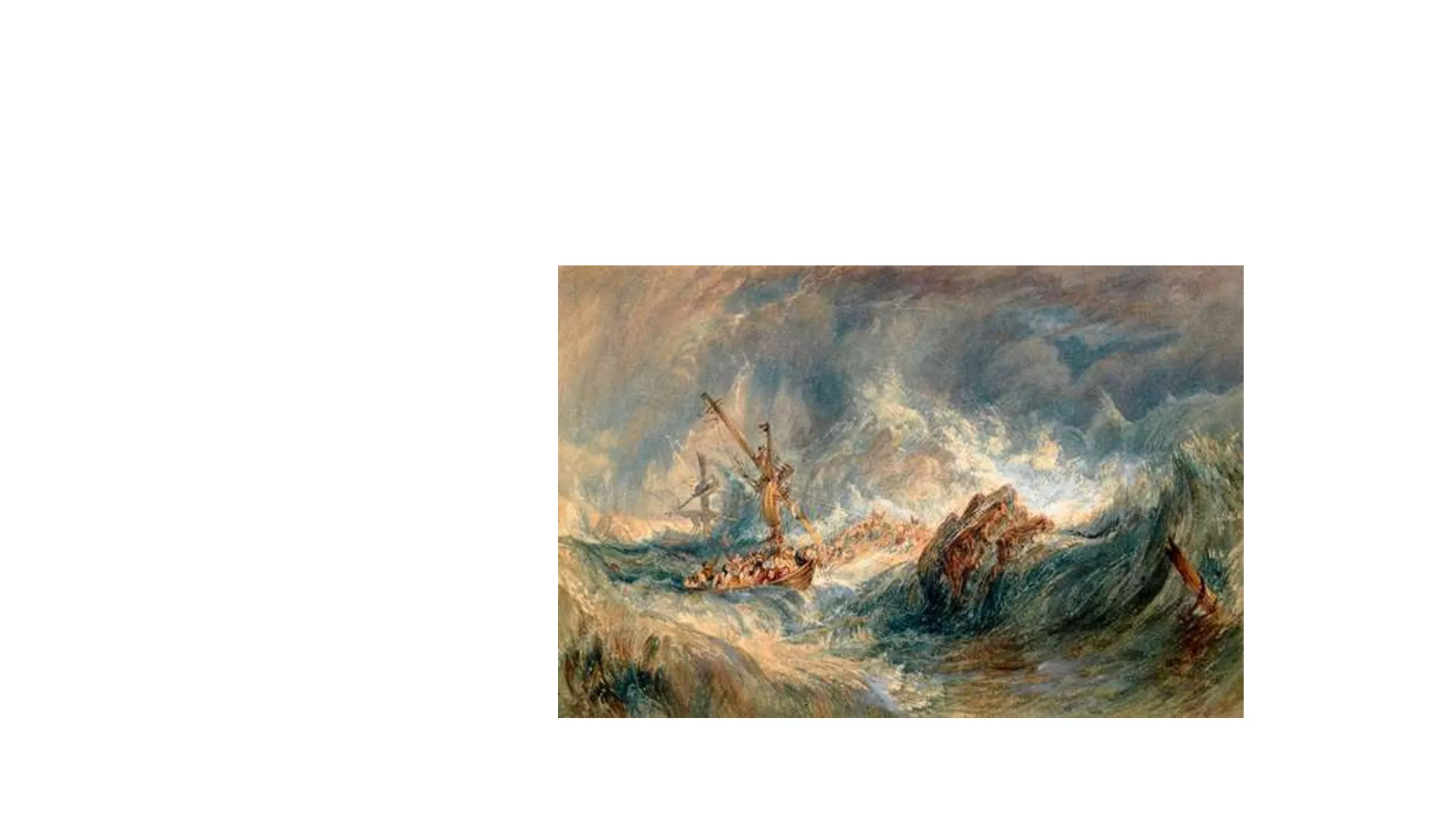
William Turner, The Storm (or Shipwreck)Changes in literature
Hints indicating a change in the attitude towards literature had already appeared
in the early years of the 18th century. It revealed itself in the form of
introspection and melancholy. It was a new sensibility towards man and his
feelings.
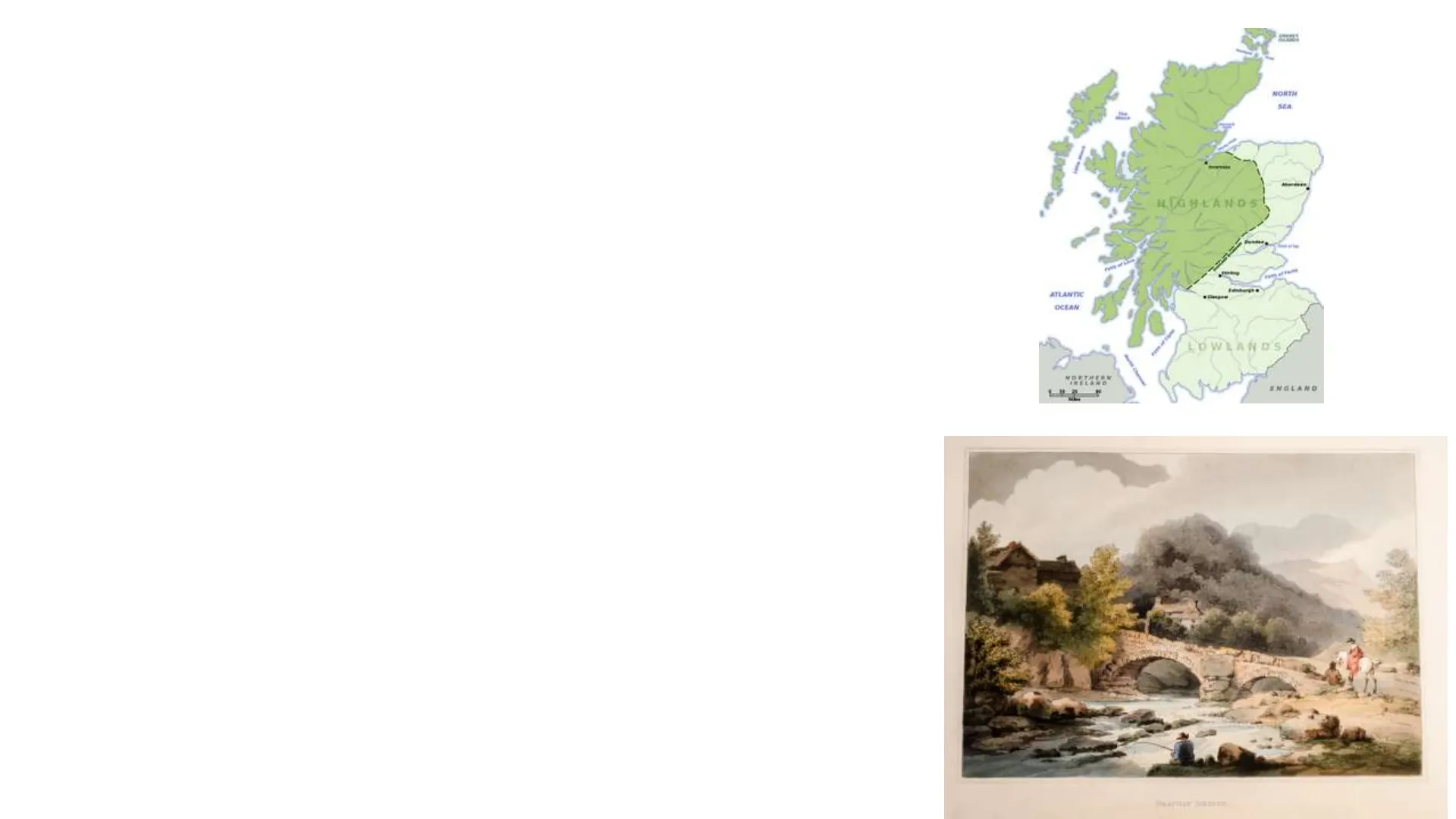
This new sensibility also revealed itself in the new taste for travelling to see
nature at its most natural in the Highlands, in the Lakes or in the mountains of
Wales. It was present in the new taste for the picturesque and the passion for
gardening. And, as the century progressed, so the new signs grew more
apparent to culminate at the end of the century with a completely new way of
considering man and his role in the world. This new attitude came to be called
Romantic and it developed into a movement that involved the whole of
Europe. The Romantic movement, which influenced all the forms of art,
developed as a reaction against Enlightenment with its emphasis on rationality,
form, order, clarity, rules and conventions.
This new sentiment of sensibility, which comprised also a feeling of nostalgia,
made itself felt in drama in the form of sentimental comedy and poetry in the
form of subjective, meditative poetry.
Meditative poetry produced three forms or poetic styles:
- one was a poetry of nature,
- one was the melancholic Graveyard School,
- and the other was a poetry that was inspired by the Medieval Age and all
that was Gothic.
NORTH
SEA
HIGHLANDS!
ATLANTIC
OCEAN
LOWLAND'S
NORTHERN
ENGLAND
from P.E. Balboni, M. Bondi, C.M. Coonan, "Literature in English 2", Valmartina
Poetry of Nature
The classical view of nature as an abstract concept, as a set of divine laws and principles established by
God, which man could order and control thanks to the faculty of reason, was slowly replaced by the
view of nature as a real and living being.
The poetry of nature (sometimes known as Pastoral poetry) revealed the awakening of a love for nature
and beauty. It expressed a wish for the simple life away from the corruption and violence of the town.
Several poets, known as the early Romantics, set their hand to works of this kind. The first sign of this
new style appeared when James Thomson (1700-1748) published his nature poem Winter (1726).
After this, the poetry of natural description flourished.
Oliver Goldsmith (1730-1774) in The Deserted Village expressed the romantic pleasures of life in the
country as opposed to the town and reflected both on the passing of time and the changes brought
about by the Industrial Revolution, with the resulting loss of human relationships, and George Crabbe
(1754-1832) in The Village (1783) vividly painted the poverty of the lives of farmers and fishermen.
In general the rural theme was treated with much more realism by these poets than it had been
treated by previous poets and they were not averse to treating the harsher aspects of life rather than
choosing to depict the more idyllic side.
These poems were a sign that there was a move towards dealing with man as an individual, towards his
joys and sufferings. In other words, a literature of feeling, as opposed to wit, was coming into being.
from P.E. Balboni, M. Bondi, C.M. Coonan, "Literature in English 2", Valmartina
The Graveyard School of Poetry
Three poets in particular are connected with the Graveyard School of poetry. They are Thomas Gray (1716-1771),
William Collins (1721-1759) and Edward Young (1683-1765). Their poetry was of a more sombre style than that of
the poetry of nature. It was introspective and voiced the poets' woes and sorrows. Death, suicide and life after
death were their obsession and they revealed this through their interest in medieval ruins, caverns, coffins and
corpses. Death and decay fascinated them.
The major work in this genre is Gray's Elegy Written in
a Country Churchyard (1751), which stood out for its
style and language. Gray is rightly considered a
precursor of the Romantic movement poetry. His
Elegy even influenced Ugo Foscolo's / Sepolcri.
from P.E. Balboni, M. Bondi, C.M. Coonan, "Literature in English 2", Valmartina
The Sublime in Romanticism
A characteristic feature of the developing Romantic movement was the call for greater freedom of the expression of
emotions, sentiments and fantasy and for greater spontaneity in thought and actions. An important concept in this
sense was the «sublime>. Sublime was an idea associated with awe, magnificence, greatness and intense emotion and
an interest in it on the part of 18th century critics signified a move away from the rule-based clarity of Neoclassicism
towards an emphasis on feeling which became typical of Romanticism.
Edmund Burke in A Philosophical Enquiry into the Origins of Our Ideas of the
Sublime and the Beautiful (1757) made a distinction between the «sublime» and
«beauty». For Burke, beauty was associated with lightness, delicacy and
smoothness and the sublime with power, obscurity, solitude and greatness. He
said: «Whatever is fitted in any sort to excite the ideas of pain and danger [ ... ] or is
conversant about terrible objects, or operates in a manner analogous to terror, is
a source of the sublime; that is, it is productive of the strongest emotion which the
mind is capable of feeling.»
What was important in this new revolution of sensibility was that the works of art
(in all fields) would no longer be judged according to whether they followed the
rules or not, but rather according to the violent emotions of pleasure or pain
they were capable of inspiring.
Caspar David Friedrich, Wanderer above the Sea of Fog, 1817, Kunsthalle Hamburg.
Romantic artists during the 19th century used the epic of nature as an expression of the
sublime.
from P.E. Balboni, M. Bondi, C.M. Coonan, "Literature in English 2", Valmartina
Primitivism and the Noble Savage
Connected with the search for the sublime was the cult of the Noble Savage and the yearning for a primitive way of life.
Rousseau was responsible for the powerful resurgence of primitivist feelings. He fully developed the cult of the Noble
Savage, i.e., a man uncorrupted by civilisation, in his work Emile (1762), where he expounded his theories of natural
education, and in his Du Contrat Social (1762) where he proposed the organisation of an ideal society.
This primitivism inspired the interest in pastoralism and peasant poetry and was also responsible for the cult of Ossian.
Ossian is the name normally given to Ossin, a legendary Gaelic warrior and poet who is supposed to have lived in the 3rd
century in Scotland. James Macpherson (1736-1796), who had heard of the existence of some of his poems, set out to find
them. He later published some of the poet's «works> in Fragments of Ancient Poetry (1760). They were a great success.
These works were purported to be translations by Macpherson of Ossian's epic poems in
Gaelic. In fact, they were completely written by Macpherson himself, who used his
knowledge of the legend for inspiration. The poems sang of the virtues of the warriors, the
melancholy of contrasted love, the sufferings of wars. The simplicity and freedom of the
verse technique gave the songs an instinctive and primitive quality and set an example for
the Romantic poets in their attempt to reach absolute freedom of expression without the
artificial rules that had previously encumbered the poetry of the Neoclassical age.
from P.E. Balboni, M. Bondi, C.M. Coonan, "Literature in English 2", Valmartina
Medievalising Poetry and Historical Interest
The medievalising of literature was a characteristic of the latter half of the 18th
century. Ossian was instrumental in inspiring this new interest in Gothic or
medieval things as also was the discovery of Herculanum and Pompeii in Italy.
Indeed for the Romantics, «medieval> covered a much wider time span than the
word «medieval> actually implies. For them it spanned from barbaric times up
to the period of the Renaissance.
This nostalgia for the past, which seemed infinitely more attractive than the
present, also stimulated an interest in history and led to studies of the past,
e.g., Edward Gibbon's Decline and Fall of the Roman Empire (1776-78), and to a
revival of the ballad. Impetus was given to this when Thomas Percy published
Reliques of Ancient English Poetry (1765) which was a collection of ballads,
sonnets, historical songs and metrical romances.
XXX
This led to a rage and even to the production of other false works along the lines of that of Macpherson, e.g. Thomas
Chatterton's Rowley Poems published posthumously in 1777.
from P.E. Balboni, M. Bondi, C.M. Coonan, "Literature in English 2", Valmartina
Early Romantic Poets and Their Contributions
The names of some of the so-called early Romantic poets have already been mentioned. Among them
Thomas Gray who is not one of the greatest poets but is all the same important for the contribution he gave
towards creating the atmosphere of the period. Another early Romantic poet is Thomas Chatterton (see
previous slide) but the two greatest poets of the period are Robert Burns, the national poet of Scotland, and
William Blake.
from P.E. Balboni, M. Bondi, C.M. Coonan, "Literature in English 2", Valmartina
Can’t find what you’re looking for?
Explore more topics in the Algor library or create your own materials with AI.
