The Gothic Novel and Mary Shelley: Sublime and Genre Characteristics
Slides from High school about The Gothic novel and Mary Shelley. The Pdf explores the concept of the sublime by Edmund Burke and the main characteristics of the Gothic genre, including typical settings and characters, concluding with a brief biography of Mary Shelley, author of Frankenstein, for Literature students.
See more16 Pages

Unlock the full PDF for free
Sign up to get full access to the document and start transforming it with AI.
Preview
The Gothic Novel and Mary Shelley
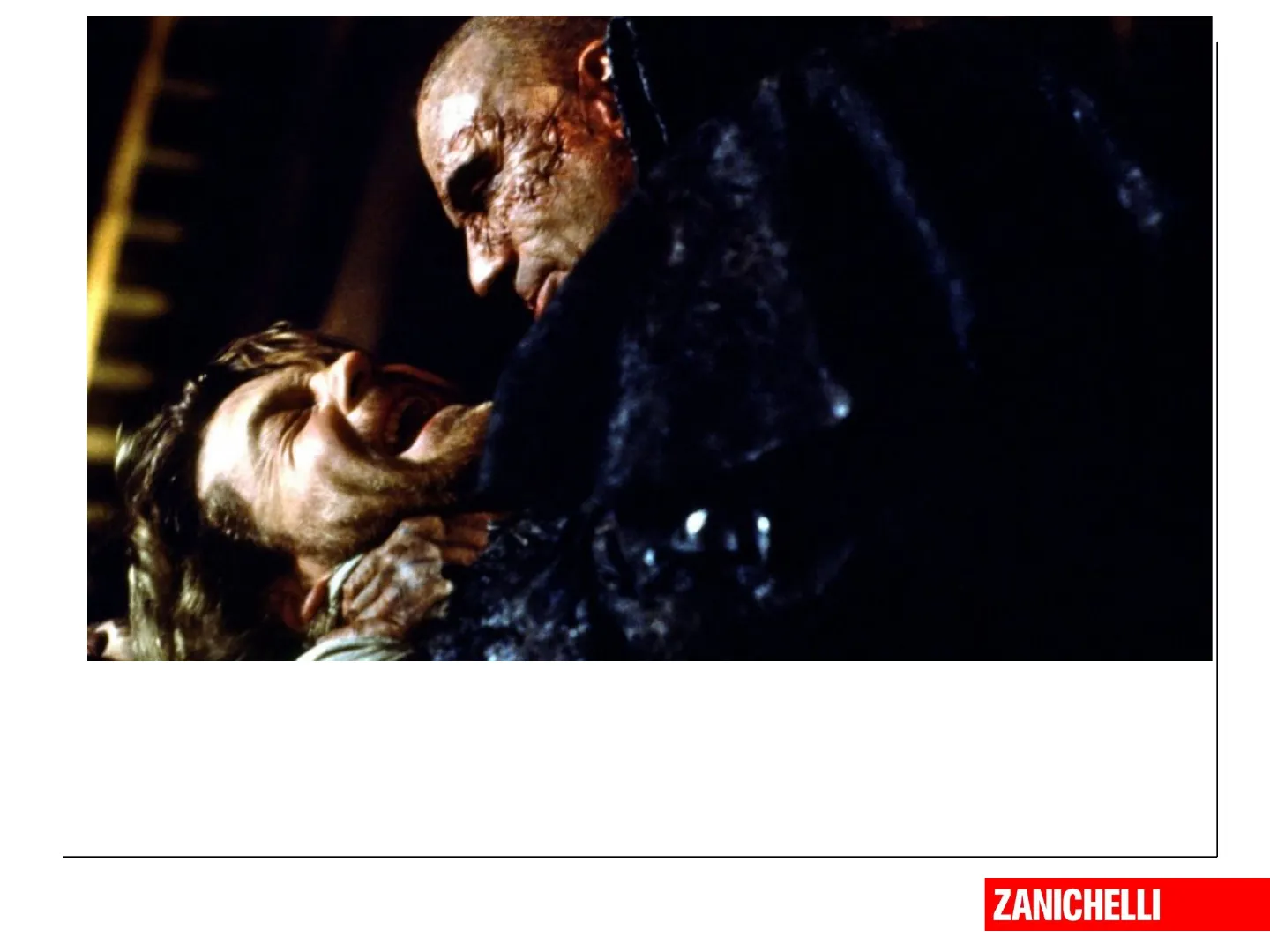
Mary Shelley's Frankenstein by K. Branagh, 1994. The Gothic novel and Mary Shelley Compact Performer Shaping Ideas Marina Spiazzi, Marina Tavella, Margaret Layton @ 2021 ZANICHELLIMary Shelley
The Sublime
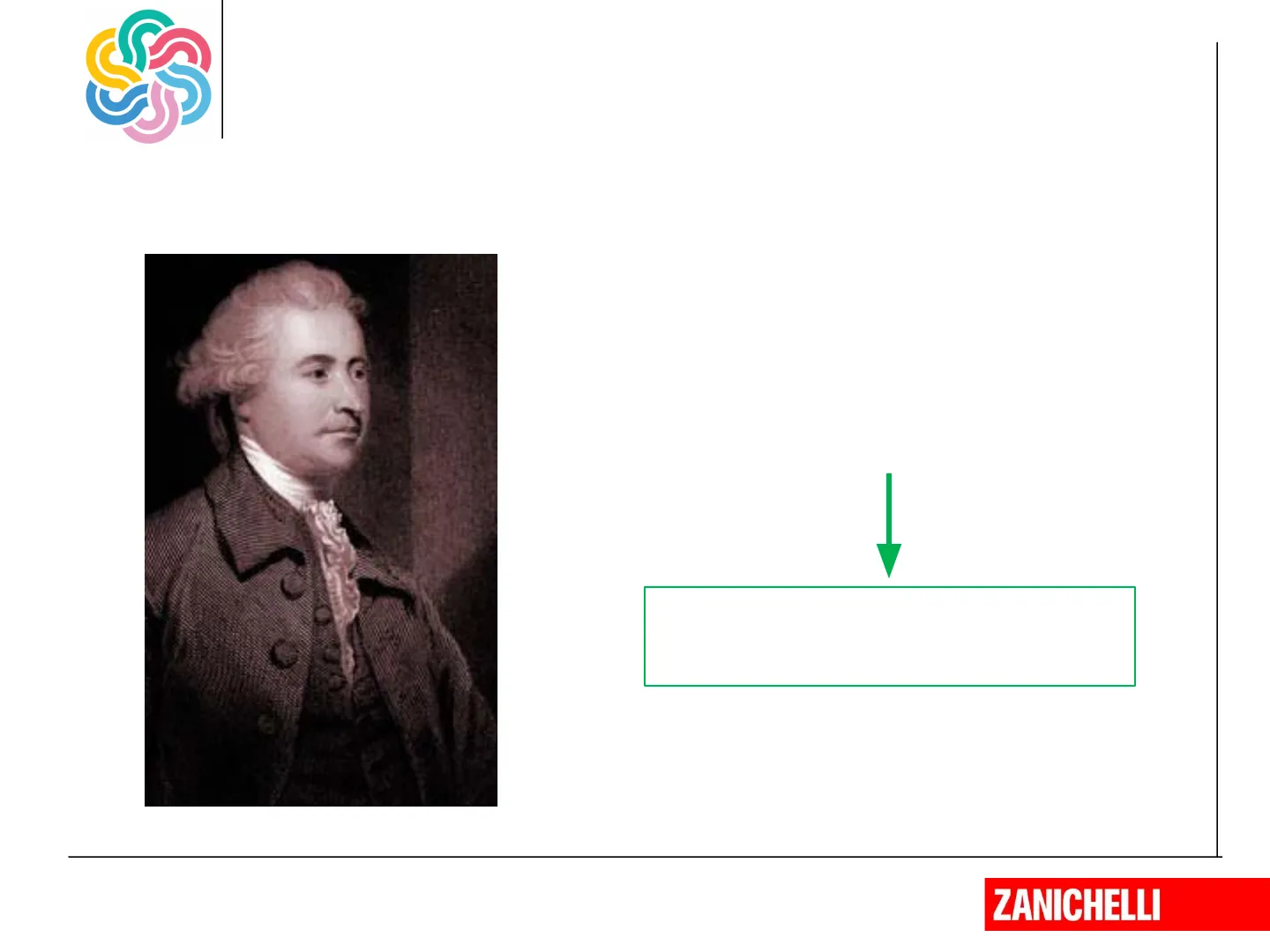
Edmund Burke's Philosophical Enquiry
1. The sublime Edmund Burke A Philosophical Enquiry into the Origin of Our Ideas of the Sublime and Beautiful (1757) 1 the beautiful and the sublime as opposed Compact Performer Shaping Ideas ZANICHELLIMary Shelley
Fear and the Sublime
- No emotion is stronger than fear, not even pleasure;
- fear is the true source of the sublime;
- the sublime is always founded on terror (the 'ruling principle of the sublime');
- whatever is visibly terrible is always sublime because it arouses a sense of danger and terror;
- to make things even more terrible, two conditions are essential: obscurity and mystery.
Compact Performer Shaping Ideas ZANICHELLIMary Shelley
The Sublime in Nature
1. The sublime in nature Minor effects: respect, reverence admiration Major effect: Astonishment = a state of the soul Compact Performer Shaping Ideas ZANICHELLIMary Shelley
The Gothic Novel
Popularity and Origin of the Term
2. The Gothic novel It came to popularity at the end of the 18th century. The adjective 'gothic' Medieval, linked to the architecture of the 12th-14th centuries First used by H. Walpole for his novel The Castle of Otranto Compact Performer Shaping Ideas ZANICHELLIMary Shelley
Gothic Novel Setting
- great importance given to terror, characterised by obscurity and uncertainty, and horror, caused by evil and atrocity;
- night and darkness are necessary ingredients for the mysterious, gloomy atmosphere;
- ancient settings: isolated castles and mysterious abbeys with hidden passages, underground cellars, secret rooms.
Compact Performer Shaping Ideas ZANICHELLIMary Shelley
Gothic Novel Characters
- hero: isolated;
- heroine: both afflicted by unreal terrors and persecuted by a villain, the embodiment of evil;
- wanderer / outcast: symbol of isolation.
Henry Fuseli, The Nightmare, 1781, Goethe Museum, Frankfurt. Compact Performer Shaping Ideas ZANICHELLIMary Shelley
Mary Shelley's Life
3. Mary Shelley's life ( (1797-1851) . The daughter of Mary Wollstonecraft and William Godwin, both believers in the enlightened power of reason; . she eloped to France with the Romantic poet Percy Bysshe Shelley; . the writing of Frankenstein took place at Villa Diodati, on the banks of Lake Geneva. Compact Performer Shaping Ideas ZANICHELLIMary Shelley
Frankenstein
Frankenstein Plot Summary
4. Frankenstein: the plot · Frankenstein, a Swiss scientist, creates a human being by joining together parts of corpses; . the result of the experiment is ugly and revolting; . the monster becomes a murderer: in the end he destroys his creator. The story is introduced by a series of letters written by Walton, a young explorer on an expedition voyage to the North Pole, to his sister, Margaret Walton Saville. Compact Performer Shaping Ideas ZANICHELLIMary Shelley
Frankenstein Setting
4. Frankenstein: the setting . The events of the story happen all over Europe from Geneva to the Alps, to France, England, Scotland; . the most important setting is the North Pole: it mirrors Frankenstein's and the monster's states of mind; . the creation's birthplace is next to Frankenstein's university at Ingolstadt. Compact Performer Shaping Ideas ZANICHELLIMary Shelley
Narrative Structure
5. Narrative structure An epistolary novel Robert Walton's letters to his sister, Margaret Walton Saville Frankenstein's story from his childhood to Walton The creature's story to Frankenstein Compact Performer Shaping Ideas ZANICHELLIMary Shelley
Main Characters
6. Main characters . Both Captain Walton and Doctor Frankenstein tried to go beyond human limits; • the monster is complementary to his creator: they both suffer from isolation and they both begin with a desire to be good. Black and white poster for James Whale's 1931 film Frankenstein. FRANKENSTEIN A CHILLING THRILLER. MARY WOLLSTONECRAFT SHELLEY BORIS KARLOFF COLIN CLIVE' MAE CLARK JOHN BOLES JAMES WHALE Divalor Compact Performer Shaping Ideas ZANICHELLIMary Shelley
The Role of Science
7. The role of science The latest scientific theories of chemistry and electricity influenced Mary Shelley. The protagonist of Frankenstein is the first embodiment of the theme of science. He creates a human being through the use of electricity and chemistry. Compact Performer Shaping Ideas ZANICHELLIMary Shelley
Literary Influences
8. Literary influences · Rousseau: the monster is a primitive man, not influenced by civilisation; · gothic stories read by Mary and Percy B. Shelley; · the myth of Prometheus: a clear example of overreacher. Boris Karloff as Frankenstein's monster in James Whale's 1931 film. Compact Performer Shaping Ideas ZANICHELLIMary Shelley
Themes in Frankenstein
9. Themes · The quest for forbidden knowledge (Walton and Dr Frankenstein) is related to the theme of the overreacher; · the double: Dr Frankenstein and the monster; . the overcoming of natural and divine rules: the creation of a human being without the participation of a woman; · social prejudices: the monster as an outcast; • education: the monster's intellectual and emotional development. Compact Performer Shaping Ideas ZANICHELLIMary Shelley
Frankenstein on Screen
10. Frankenstein on the screen A being created by man E Boris Karloff in Frankenstein by James Whale, 1931. Robert De Niro in Mary Shelley's Frankenstein by Kenneth Branagh, 1994. Compact Performer Shaping Ideas ZANICHELLI
Can’t find what you’re looking for?
Explore more topics in the Algor library or create your own materials with AI.
