World War One Poets: Brooke, Owen, Sassoon and the Road to War
Slides about World War One Poets. The Pdf explores the figures of Rupert Brooke, Wilfred Owen, and Siegfried Sassoon, analyzing their significant works like "The Soldier" within the historical context of the war's beginning. The Presentation is suitable for high school Literature students.
See more18 Pages

Unlock the full PDF for free
Sign up to get full access to the document and start transforming it with AI.
Preview
World War One Poets
IT
RINO DAL 1861 /
VOICI | E BELLO
RE VIVERE ANC
LLO DOPPO IL MORIRE V
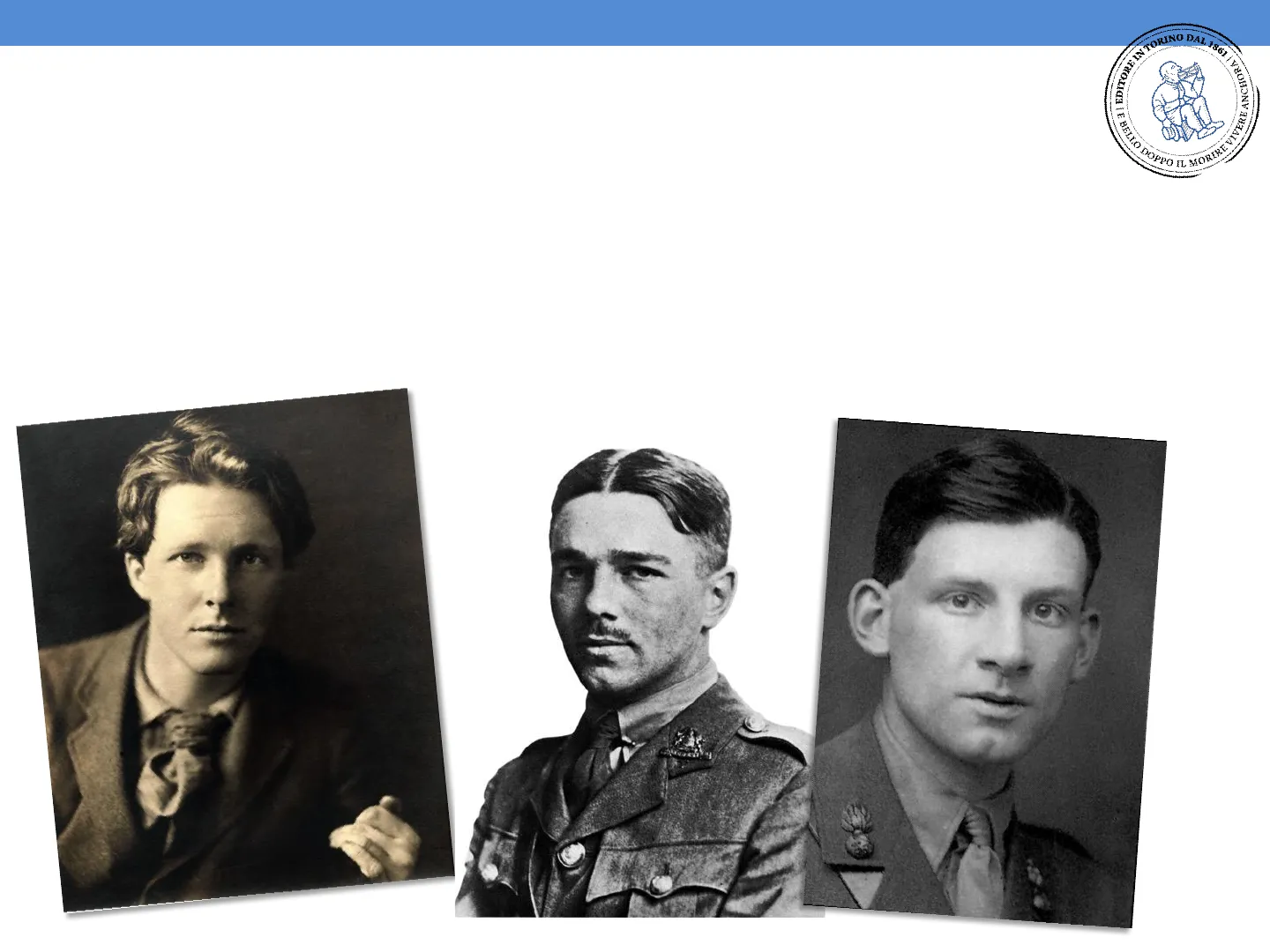
Rupert Brooke
Wilfred Owen
Siegfried Sassoon
The Road to War
IT
RINO DAL 1861 /
POLICE | E BELLO D
IRE VIVERE ANC
LLO DOPPO IL MORIRE V
A .... . .. . . .
. 1.5- 110-
. 2.50 . 5-
Supplemento illustrato del " Corriere della Sera„
Via Solferino, N. 28
MILANO
Per tutti gli articoli e illustrazioni è riservata la proprietà letteraria o artistica, secondo le leggi e i trattati internazionali.
Centesimi 10 il numero.
Anno XVI. - Num. 27.
5 . 12 Luglio 1914.
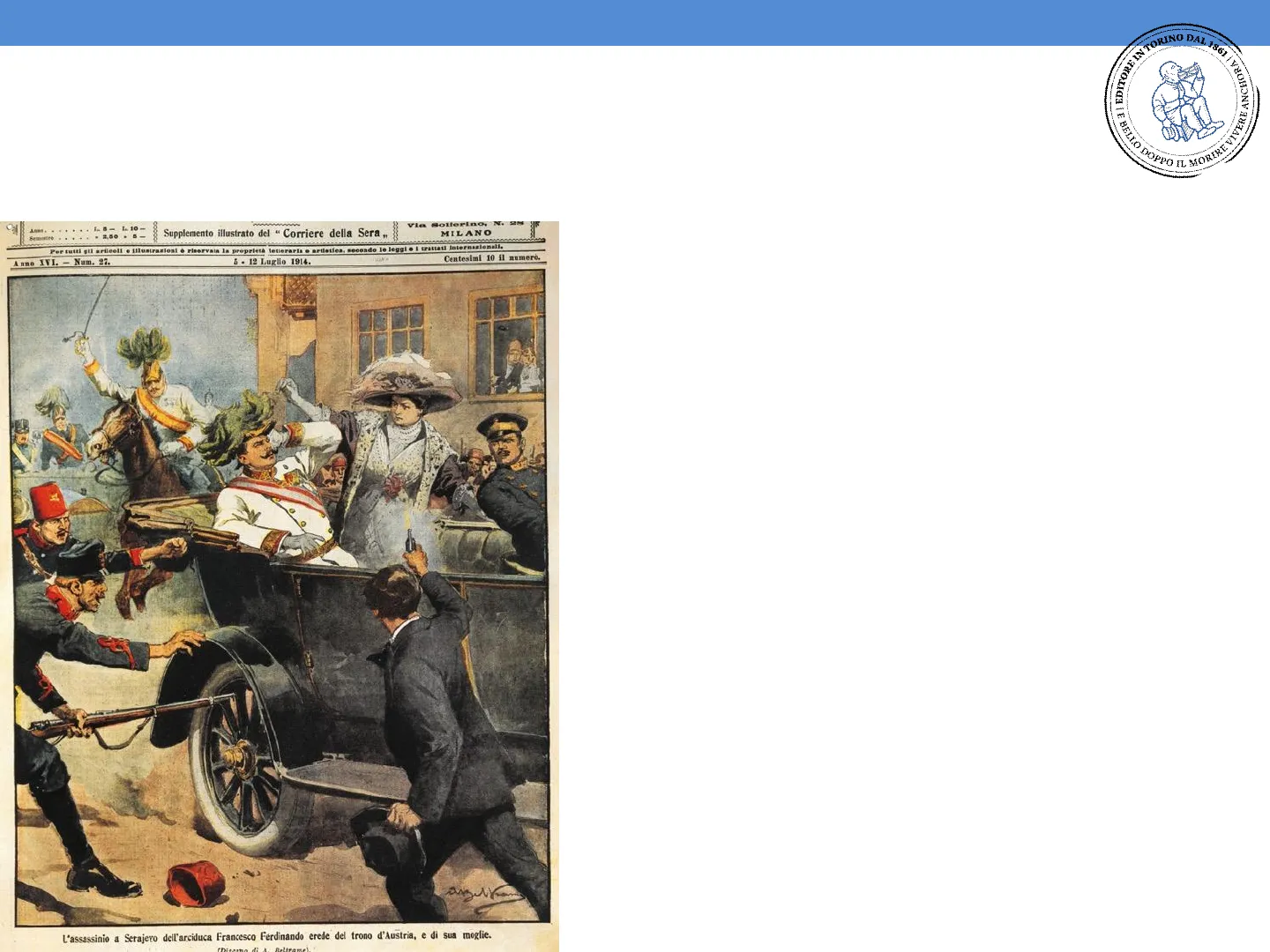
L'assassinio a Serajevo dell'arciduca Francesco Ferdinando erede del trono d'Austria, e di sua moglie.
(Diszano di A. Beltrame). "
- On 28th June 1914, the heir to
Austria-Hungary, the Archduke
Franz Ferdinand, was
assassinated at Sarajevo. This
was the trigger that led to the
First World War - Rivalries between the Great
Powers had been growing for
decades. - A diplomatic crisis escalated
quickly into belligerence - Within a month, battle lines and
alliances had been fixed: there
was no going back
War Involvement
IT
RINO DAL 1861 /
VOICI | E BELLO
RE VIVERE ANCI
DOPPO IL MORIREV
- The War involved all the most important economic powers of the
world - On one side were Britain, France and Russia, and on the other,
Germany and Austria-Hungary, with many other countries in
support - Belgium was neutral, but invasion by Germany led to war, since
Britain guaranteed Belgian neutrality
BRITONS
"WANTS
YOU
M
JOIN YOUR COUNTRY'S ARMY!
GOD SAVE THE KING
Reproduced by permission of LONDON OPINION
LONDON
COME LAD
SLIP ACROSS AND HELP
Over by Christmas?
IT
RINO DAL 1861 /
EDITORE
E BELLO D
LO DOPPO IL MORIRE V
RE VIVERE ANC
- Initially, there was great euphoria on both sides and thousands of
men volunteered to fight - There was a general feeling that it would be over by Christmas
1914 and everyone would be back home safely - The First World War, known at the time as the 'War To End All
Wars', finally ended on 11th November 1918
laily
Mail
Dally Net SALE Six Times as Large as That of Any Penny London Morning Journal Except "THE TIMES"
9370 2311
THURSDAY, DECEMBER 31, 1914
LONDON
MANCHESTER
PARIS
NO 5,848
ONE HALFPENNY
CHRISTMAS TRUCE AT FRONT
STORY TOLD IN
LETTERS FROM
THE TRENCHES
TO DAILY MAIL
SNOWBALLS
AND JOKES
WITH THE FOE
EVERY day the Daily Mail
Is pleased lo pubilak
Jeffers which have been
sent by aoidiers serving
with the Expeditionary
Force and sollers with the
Conditions of War
IT
RINO DAL 1861 /
VOICI | E BELLO D
RE VIVERE ANC
LO DOPPO IL MORIRE V
- Within a few months, the Western Front had settled into trench
warfare, with neither side gaining any significant advantage for years - Conditions on all the Fronts were terrible and casualties enormous
- Modern technology added to the horror of the war: the noise the huge
guns made in France could be heard in England - Britain introduced conscription in 1916 because of the huge casualty
rate
JA
The War at Home
RINO DAL 1861 /
EDITORE
RE VIVERE ANC
O DOPPO IL MORIRE
- In Britain, many people had no
conception of the horror of the
War and many others did not
want to know - Propaganda, mainly through
the use of posters, made men
feel guilty if they did not go
and fight "for King and
Country" - Britain had been socially and
politically divided before 1914:
War united the country against
Germany
Daddy, what did YOU do in the Great War ?
15
Library and Archives Canada / Bibliothèque et Archives Canada
www.collectionscanada.gc.ca
Four Years Later
IT
RINO DAL 1861 /
OTHIA 3 | EDITORE
IRE VIVERE ANCY
DOPPO IL MORIREV
- More than 16 million people, including 9 million soldiers, had died
during the War - The Empires of Germany, Austria-Hungary and Russia had
disappeared and national borders were redrawn - A deep feeling of loss and disillusion permeated every aspect of
society: the world they knew had changed beyond recognition
1
The Pity of War - the Poetry
IT
RINO DAL 1861 /
POLICE | E BELLO D
RE VIVERE ANC
LO DOPPO IL MORIRE V
- The euphoria at the outbreak of war was echoed in the poetry,
which was optimistic about a quick and successful campaign - Poetry also reflected a sentimental view of an English way of life
that had to be defended against 'barbarity' - As the war continued and optimism gave way to pessimism, many
poets became both bitter and cynical as they witnessed the
destruction around them
S
Rupert Brooke 1
IT
POLICE | E BELLO D
RINO DAL 1861 /
RE VIVERE ANCI
DOPPO IL MORIREV
- Brooke came from a privileged background, studied at Cambridge, and
moved in literary circles that included Virginia Woolf and the Bloomsbury
Group - His early poems show a deep love for the English countryside and an
idyllic English way of life - His enthusiasm at the outbreak of war, common to many, led him to
volunteer in order to safeguard 'English values'
Rupert Brooke 2
IT
RINO DAL 1861 /
POLICE | E BELLO D
RE VIVERE ANC
LO DOPPO IL MORIRE V
- In 1915 he published a book of poems, known as the War
Sonnets, which focus on optimism and idealism, but also
contain a certain appreciation of the realities of war - That year his regiment left for the Gallipoli Campaign in
Turkey, but on the way
he fell ill and died
in Greece on a hospital
ship - He is sometimes seen
as an apologist for the
war, but if he had lived,
he might have changed
his mind and written
a different type of poetry
Rupert Brooke - The Soldier
JT
RINO DAL 1861 /
POLICE | E BELLO D
RE VIVERE ANC
LO DOPPO IL MORIRE V
YOUR COUNTRY'S CALL
Isn't this worth fighting for?
ENLIST NOW
- Brooke's most famous poem is
written as a Petrarchan sonnet
and is full of alliteration,
consonance and assonance as he
recreates an ideal, perfect, rural
England - The speaker says that if he dies in
the war, then he has died fighting
for a just cause - the preservation
of his homeland - England is depicted as a generous
and loving mother who has given
so much to her children that it is
now their turn to give back
Wilfred Owen 1
IT
RINO DAL 1861 /
OTHIA 3 | EDITORE
RE VIVERE ANCI
DOPPO IL MORIRE
- Owen was born into a middle-class family and, because of financial
problems, was unable to go to university - He had a strong Christian faith and for a time was assistant to a
vicar, following that with a period as a language tutor to a family in
France - He returned to England in 1915 and enlisted
- He was killed in France and weak hafare the War ended
Wilfred Owen 2
IT
RINO DAL 1861 /
VOICE | E BELLO D
IRE VIVERE ANCY
LO DOPPO IL MORIRE V
- Owen was deeply affected by
the horrors he witnessed at the
Western Front and quickly
became critical of the War in
his poetry - He was wounded in April 1917
and sent to a hospital for shell
shock victims in Scotland,
where he met Siegfried
Sassoon - Sassoon was impressed with
Owen's poetry and encouraged
him to write his best poems
over the next few months
Wilfred Owen - Exposure
RINO DAL 1861 /
GOTHIA 3 | EDITORE
RE VIVERE ANC
LLO DOPPO IL MORIRE V
- This poem demonstrates Owen's mastery of structure and
language and is composed of eight complex stanzas - His use of alliteration and consonance, and half-rhymes, place him
among the greatest poets of the English language - 'Exposure' is a bitter condemnation of war in all its forms, in
complete contrast to Brooke's idealism - Owen's most famous poem is probably "Dulce et decorum est",
which is also strongly critical of war, like "Exposure"
MARK. TRAVELS.
PREALISTIC
LONDON . CAPE TOWN . BOMBAY . MELBOURNE . TORONTO.
BY ROYAL COMMAND TO THEIR IMPERIAL MAJESTIES
KING GEORGE V AND QUEEN MARY
Siegfried Sassoon 1
IT
RINO DAL 1861 /
POLICA | E BELLO D
RE VIVERE ANC
LO DOPPO IL MORIRE V
- Siegfried Sassoon lived the life of an upper-class English gentleman
and had already published some rather mediocre poetry before
the War - He enlisted immediately and, as the War progressed, he became
cynical and bitter about it, and his poetry reflects his mood - His best poetry is a mixture
of sharp criticism combined
with bitter humour and satire - Sassoon is one of the few
War Poets to survive the war:
he died in 1967
Siegfried Sassoon 2
- In 1916 he wrote a controversial letter, the "Soldier's
Declaration", which attacked the reasons for the War and
which was read out in the House of Commons - "I have seen and endured the sufferings of the troops and can no longer be
a party to prolong these sufferings for ends which I believe to be evil and
unjust. I am ... protesting ... against the political errors and insincerities for
which the fighting men are being sacrificed" - Sassoon was saved from court martial because of his
reputation as a war hero, but sent to hospital in Scotland,
where he met Wilfred Owen
IT
RINO DAL 1861 /
VOICI | E BELLO
RE VIVERE ANC
LO DOPPO IL MORIRE V
Siegfried Sassoon - Suicide in the Trenches
RINO DAL 1861 /
POLICE | E BELLO D
RE VIVERE ANC
LO DOPPO IL MORIREV
- The poem is written in three short stanzas with an aabb rhyme, which
initially hints at a pleasant, happy theme - However, it becomes a perfect example of Sassoon's use of a bitter
attack on those who do not want to know what is really going on at the
Front - In a few lines, he recreates the horrors of life in the trenches and death
by suicide in direct, colloquial language.
Observations: Writers' Comments on WW
RINO DAL 1861 /
RE VIVERE ANC
LO DOPPO IL MORIRE
- "It's all great fun" - Rupert Brooke in a 1914 letter
- The writer Osbert Sitwell thought it would be "a brief armed
version of the Olympic Games" - In 1917 Owen would refer to the war as "seventh hell"
- The English poet Philip Larkin, writing in 1964, believed that there
was "never such innocence again"
Can’t find what you’re looking for?
Explore more topics in the Algor library or create your own materials with AI.
