Cognitive Psychology: Moray's Studies on Auditory Attention
Slides about Cognitive Psychology, focusing on Moray's studies on auditory attention. The Pdf explores selective attention and perception through detailed experimental results. This University level Psychology Pdf, produced by an unknown author, provides a clear overview of the findings, making it suitable for self-study.
See more67 Pages


Unlock the full PDF for free
Sign up to get full access to the document and start transforming it with AI.
Preview
Area 1 Cognitive Psychology
Comp 2 Core Studies
Area: Cognitive Psychology Area: Cognitive PsychologyCognitive psychology Copyright @ Mark McDermott 2020 (v05.06.20Use this slideshow to help complete the notes and tasks in your AS and A2 study booklet
A' Level Psychology Year 1
Unit 2: Psychological Themes through core studies
Cognitive Psychology Unit 2 Area 1 Principles & concepts
Strengths and Weaknesses of Cognitive Psychology
- Lab expt methods can make research artificial (andlowin ecological validity) andincreases demand characteristics
- Can have many beneficial applications - e.g. strategies for improving memory and CBT (cognitive behaviour therapy)
- Difficult to study mental processes directly and objectively (tasks have to be set that externalize intemal processes - not easy)
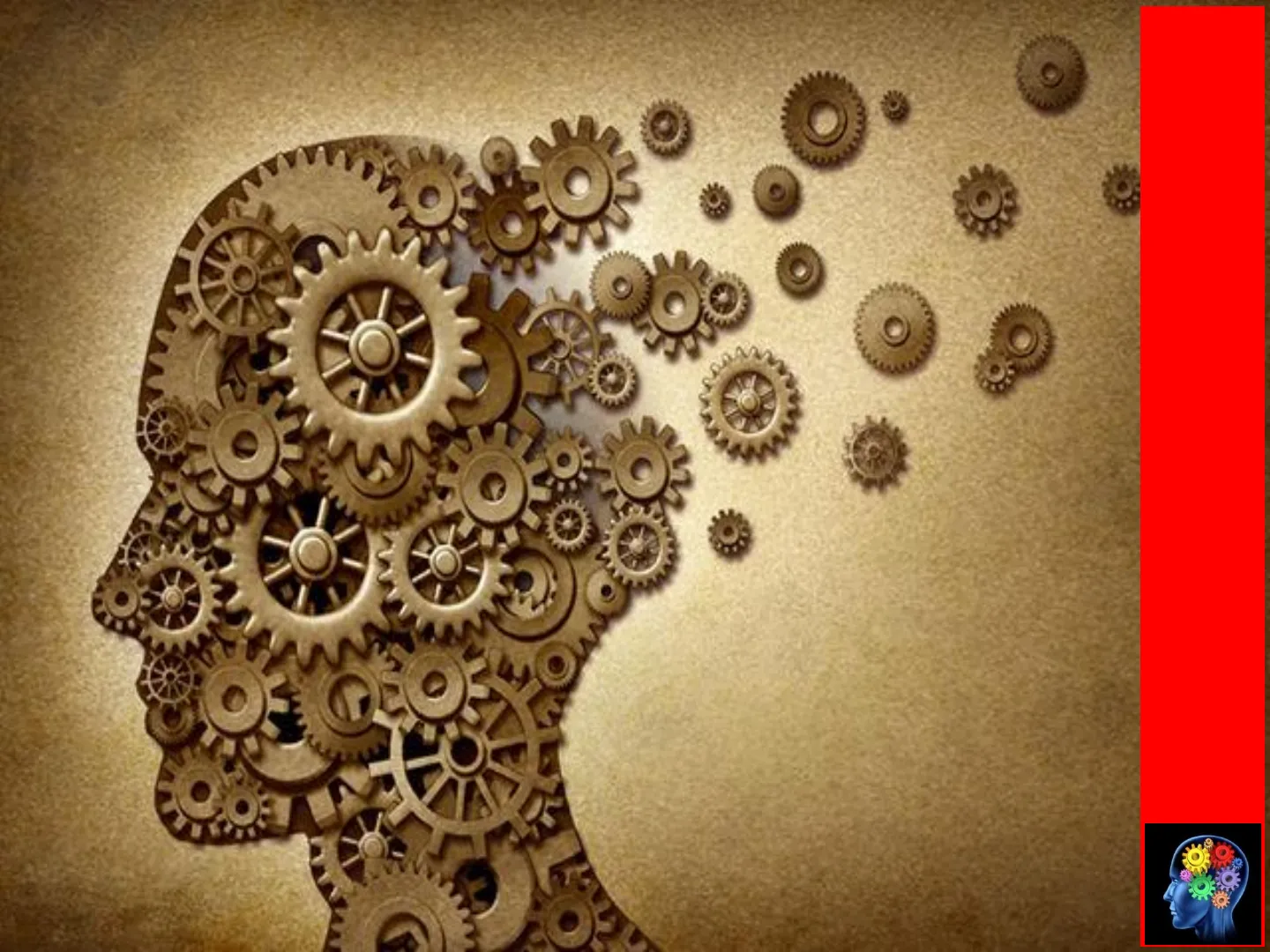
Cognitive psychology is ... ... the study of mental processes, such as memory, perception, language and problem-solvingetc.
Theme Memory
Classic Study
Loftus and Palmer (1974) The effects ofleading questions on memory
Contemporary Study
Grant et al (1998) Context-dependent memory
Study Booklet Name Year 2
A' Level Psychology Year 2
Unit 2: Psychological Themes through core studies
Area: Cognitive psychology Area *Thesht notes go with the year 1 core ataches, so you now have four cons studitra (bva chisekre, bwva contemporary) counting two difinant thertira for this arna Principles & concepts
Strengths and Weaknesses
"These are the same as covered when you first icamed about the cognitive area as part of the year 1 course "These are the same as covered when you first icamed about the cognitive area as part of the year 1 course "These are the same as covered when you first leamed about the cognitive area as part of the year 1 course You should also by now be very familiar with how to make links to methodological Issues and debates so there is nothing on this included
Moray (1959) auditory perception Simons & Chabris (1999) visual perception
Instructions
Print off then read and work through this study pack completing the tasks using the resources on Moodle (especially the cognitive area slideshow) and the copy of the pages from the text book at the back. The work you complete here will be used to review your progress and suitability to progression to the A2 course next year. Your tutor will use the table below to do this once we are back in college
Tack Tutor notes and signature to verify completion Date Completion of study pack Completion of a one-page (A4 or A3 size] summary for each study Presentation (if required to do one) Evidence of any wider reading ( research Progression recommended YES / NO (and any supporting notes) ...
Study Booklet Name Tutor
- Internal mental processes influence our behaviour (and work in an active, not passive way influenced by manythings)
- Computer analogy (a mechanistic approach), with input, storage and retrieval/output processes / stages
- Often uses controlled laboratory experimental methods (scientific)AS
Area: Cognitive psychology
Theme: Memory
Classic study
Loftus & Palmer Eyewitness memory Loftus, E. F. & Palmer, J. C. (1974) Reconstruction of automobile destruction: An example of the interaction between language and memory. Journal of Verbal Learning and Verbal Behavior, 13, (5) 585-589.
Contemporary study
Grant et al Context dependent memory Grant, H. M., Lane, C., Bredahl, J. C., Clay, J., Ferrie, J., Groves, J. E., McDorman, T. A. & Dark, V. J. (1998) Context-dependent memory for meaningful material: Information for students. Applied Cognitive Psychology, 12, (6), 617-623. Copyright @ Mark McDermott 2018 (v09.10.19)
A2 Area: Cognitive psychology
Theme: Attention
Classic study
Moray Auditory attention Moray, N. (1959) 'Attention in dichotic listening: affective cues and the influence of instructions' Quarterly Journal of experimental Psychology, 11, pp56-60 Copyright @ Mark McDermott 2018 (v09.10.19)
Contemporary study
Simons and Chabris Visual attention Simons, D.J. and Chabris, C.F. (1999) 'Gorillas in our midst: sustained inattentional blindness for dynamic events' Perception, 28, pp1059- 1074Unit 2: Psychological themes through core studies | Area: Cognitive Psychology | O Mark McDermott (v17.09.19)
Area: Cognitive Psychology
Introduction - What is cognitive psychology?
I think. therefore I am. The word 'cognition' refers to thoughts, and cognitive psychology is ... the study of internal mental processes, such as memory, perception, language, attention and problem-solving etc. Cognitive psychologists investigate how ourthoughts, and what we think influence our behaviour I think; therefore I am. Cogito ergo sumis a Latin phrase used by the French philosopher Rene Descartes (1596-1650), translated as "I think, therefore I am". This emphasizes the belief that our thoughts play a major role in determining who, and what we are and perhaps even how we behave. It typifies the position adopted by cognitive psychologists that ourthoughts influence, if not determine our behaviour.
Some principles and concepts of the cognitive area
- Mental processes influence our behaviour Cognitive psychologists believe that the way we think influences, if not determines our behaviour. So for example, thinking sad thoughts can make us be unhappy.
- Cognition is an active (rather than passive) process We do not just passively (without thought) respond to sensory information. The stimuli we are exposedto and receive through our senses is processed and interpreted in an active way by the brain for the best interpretation of what it is and many things can influence this, including our past experiences and expectations.
The Necker cube
The famous 'Necker cube' illustrates the active nature of perception. The shaded surface sometimes appears at the back, then sometimes at the front. This is a great example of the brain trying to interpret the best outcome, but never settlingon one because in reality (if it were a real 3-d object) the shaded surface could be at the front or the rear so it alternatives between the two possibilities
- Computer analogy The brain and mindis equated to the workings of a machine, like a computer for example, with input, storage and retrieval/output processes / stages (mechanisticview of behaviour).
Look again
The active nature of perception normally happens so quickly (and often sub-consciously) that we are not usually aware of the active nature of perception. It is onlywhen we are exposedto unusual, challenging stimuli like illusions that we become aware of the active nature of cognition. Aoccdrnig to a rscheearch at Cmabrigde Uinervtisy, it deosn't mttaer inwaht oredr of the Itteers in a wrod are, the olny iprmoatnt tihng is taht the frist and Isat Itteer be in the rghit pclae. The rset can be a taotl mses and you can sitil raed it wouthit a porbelm. Tihs is bcuseae the huamn mnid deos not raed ervey Iteter by istlef, but the wrod as a wlohe. Amzanig huh?
Some strengths of the cognitive area
- One strength is that research inthis area often uses the laboratory research method, enabling control of variables, more precise measurements and replicability (to check for reliability)
- Another strength is that research inthis area can have beneficial applications. For example, strategies to help improve memory and treatments for some mental health issues (CBT -cognitive behavioural therapy).
Some weaknesses of the cognitive area
- One weakness is that because of the use of lab expt methods research in this area can often be artificial, andlack resemblance to everyday life (low ecological validity). Use of the lab expt method also means participants usually know they are being studied and may react differently to normal (i.e. more prone to to demand characteristics).
- Another weakness is that it is difficult to study mental processes directly and objectively. Tasks have to be set that attempt to externalise the workings of intemal mental processes (e.g. learning lists of words to try to reveal how memory works).
Comp 2 Core studies Area: Cognitive Principles and concepts, strengths and weaknesses
Area: Cognitive Psychology
Cognitive Psychology is ... ... the study of mental processes, such as memory, perception, language and problem-solving etc
Principles & concepts
- Internal mental processes influence our behaviour (and work in an active, not passive way influenced by many things)
- Computer analogy (a mechanistic approach), with input, storage and retrieval/output processes / stages
Strengths
- Often uses controlled laboratory experimental methods (scientific)
- Can have many beneficial applications - e.g. strategies for improving memory and CBT (cognitive behaviour therapy)
Weaknesses
- Lab' expt methods can make research artificial (and low in ecological validity) and increases demand characteristics
- Difficult to study mental processes directly and objectively (tasks have to be set that externalize internal processes - not easy)
Comp 2 Core studies Area: Cognitive Area: Cognitive Principles and concepts, strengths and weaknessesB
Area: Cognitive psychology
Theme: Memory
Classic study
Loftus & Palmer Eyewitness memory Loftus, E. F. & Palmer, J. C. (1974) Reconstruction of automobile destruction: An example of the interaction between language and memory. Journal of Verbal Learning and Verbal Behavior, 13, (5) 585-589.
Contemporary study
Grant et al Context dependent memory Grant, H. M., Lane, C., Bredahl, J. C., Clay, J., Ferrie, J., Groves, J. E., McDorman, T. A. & Dark, V. J. (1998) Context-dependent memory for meaningful material: Information for students. Applied Cognitive Psychology, 12, (6), 617-623. Copyright @ Mark McDermott 2018 (v09.10.19)Memory can be thought of as ... the ability to acquire and retain information and access this at a later date. It is a fundamental part of learning and, without out it we would not be the person we are (we are essentially a collection of our memories).
The three stages of memory
Memory can be though of as having three key stages (which can break down and cause us problems at any stage)
Encoding (or 'putting in') Storage (or 'keeping in') Retrieval (or 'getting out')
Memory is an active process
Memory is a good example of how our cognitive processes are active (as opposed to 'passive') - i.e. they don't just happen - information received through the senses has to be interpreted by the brain and many things can affect and influence this and change what we perceive from the information we originally received). We do not simply recall things exactly as they happened whenever we choose to do so. Memory is an 'active process' ('active' meaning that it can change) and lots of things can influence it and affect what we remember.
Different types of memory
Short-term memory (STM)
which is sometimes called 'working memory', is semi-permanent - it only lasts up to about 30 seconds (e.g. just long enough to make a telephone call on hearing a number without writing it down), and can hold about 7 things (5 +/-2).
Long-term memory (LTM)
refers to things that have passed in to our more permanent memory store, and is essentially anything after the duration of 30 seconds.
Theories of memory
Schema theory
A schema is a kind of mental representation of something that we develop and extend through our experiences. e.g. - once you have learned to ride a bicycle, you have a 'bike riding schema', which you can then use to help you when you ride a bike again, and help out in learning something similar or related (like driving a car (using knowledge of steering and changing gears etc). Think of schemas as kind of files that we store information in in our heads. We have schemas for all sorts of things - e.g. parties, work, family, exams, going to the dentist etc. When applied to memory - when trying to remember something we use our existing knowledge (or schemas) of related things (rather than recalling 100% what we experienced), which is why our memories are sometimes (often?) distorted (because what we remember is based, at least in part on what is in our schemas, rather than the actual thing(s) we experienced).
Displacement theory
Atkinson and Shiffrin (1968) Multi-store model of memory This explains how information first comes in to the non-permanent sensory store (incoming information), then enters in to the STM before being transferred to the more permanent LTM through a process of rehearsal.
Rehearsal Incoming information Short-term memory storage Transfer Long-term memory storage Displacement (Decay) *Miller (1956) said STM had a capacity of just 7 items, plus or minus 2 (Millers 'magic number 7')
The work of Sir Frederick Bartlett in the 1930s
The work of Sir Frederick Bartlett in the 1930s (illustrating the influence of schemas on memory) Bartlett was the first person to study memory in a scientific, experimental way. He used a technique called 'serial reproduction', in which a story is read to one person, and then they have to retell it, from memory to someone else, and then that person to another and so on (like an elaborate game of 'Chinese Whispers'). One of his most famous stories was 'The War of the Ghosts' - an Eskimo Indian folktale (which people in the West find difficult to comprehend because of its supernatural theme). Bartlett was interested in how the story changed as it got retold. He claimed we actively re-construct the past with the help of our existing related knowledge or schemas (e.g. 'something black coming out of the mouth' in the story was changed to 'something red', as this makes more sense (the colour of blood). The story also generally got shorter as people became less confident in what they could remember.
Psychoanalytic theory
Freud (repression) Freud claimed that anything that is traumatic or disturbing to think about (have memory of) is actively repressed (kept in the unconscious part of our mind). There will be more on this when we cover the core study by Freud later in the course.
Comp 2 Core studies Area: Cognitive Theme: Memory
Can’t find what you’re looking for?
Explore more topics in the Algor library or create your own materials with AI.
